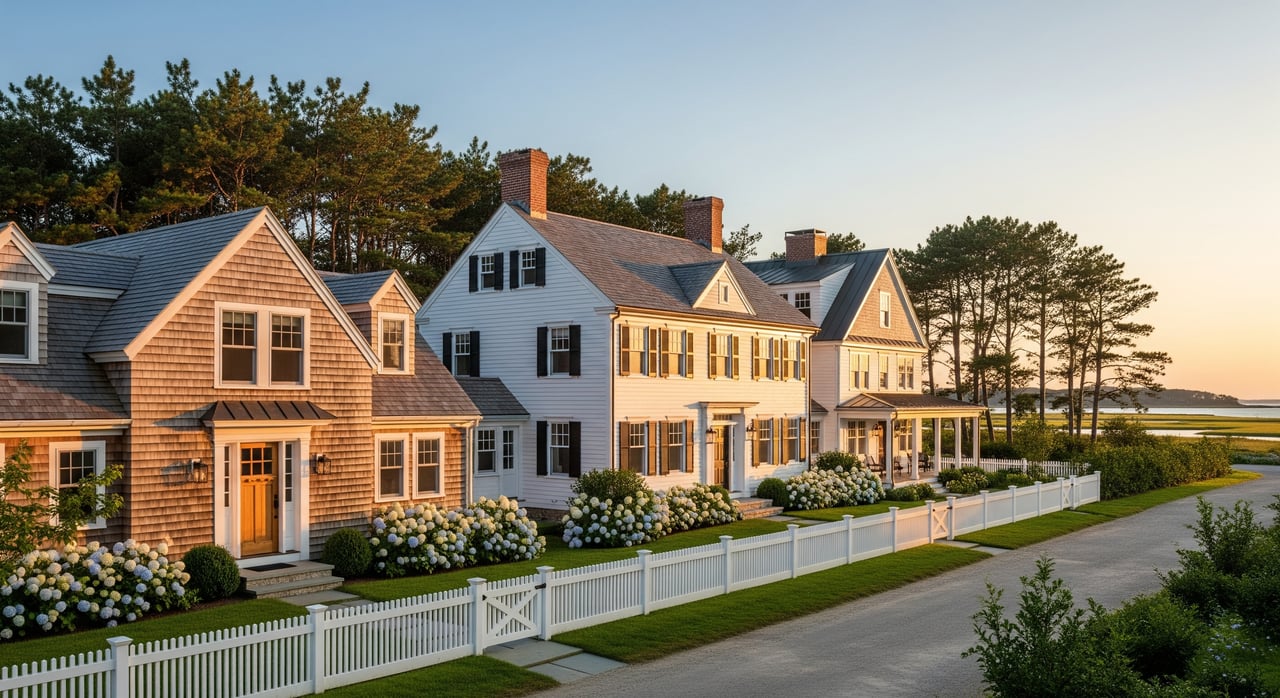
Which Duxbury home style fits you best: Cape, Colonial, or Farmhouse? If you love historic character but want a home that lives well today, the choice can feel tricky. You want a layout that matches your day to day, updates that add value, and a style that fits the coastal setting. In this guide, you will learn the defining features, typical floor plans, and smart updates for each style so you can buy or sell with confidence. Let’s dive in.
Duxbury’s architectural backdrop
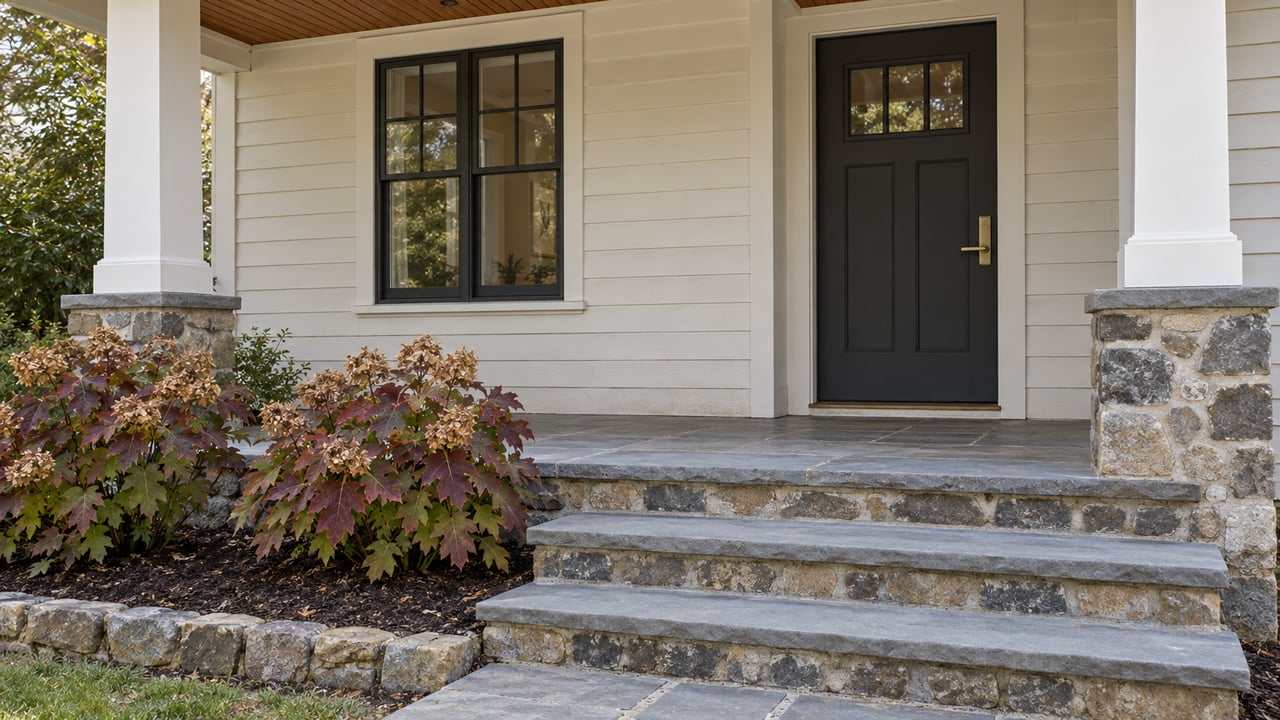
Duxbury blends 17th to 19th century houses with mid‑century neighborhoods and newer renovations. You will see cedar shingles, clapboard siding, granite foundations, and wood trim across styles because these materials stand up well to the maritime climate. Many homes show “coastal” detailing like porches, storm windows, and steep roofs that shed weather.
Local history runs deep. Places like the Duxbury Rural & Historical Society’s Alden House Historic Site show early Colonial building traditions that still shape what you see around town. Because styles evolve, you will find original Capes expanded with dormers, Colonials with rear additions, and farmhouses modernized for everyday living.
Cape style: key features and flow
Cape exterior cues
A Cape has a low, broad profile with 1 to 1½ stories and a steep gable roof. Many show a centered entry and balanced windows, often with simple trim. Earlier Capes had a large central chimney, while later revival versions may have front dormers to expand the second floor.
Cape floor plan and flow
Capes are compact. Traditional layouts center rooms around a chimney with smaller, separate spaces. In 20th century Capes, a center hall often leads to rooms on each side with the kitchen at the back. Upstairs bedrooms tuck under the eaves, so headroom can feel limited without dormers.
Cape updates buyers value
- Add shed or gabled dormers to create usable second‑floor bedrooms and better headroom.
- Expand the kitchen with a rear addition that opens to dining or family space while keeping front symmetry.
- Consider a first‑floor primary suite if the footprint allows.
- Improve comfort with insulation and air sealing since older Capes can be drafty.
Colonial style: key features and flow
Colonial exterior cues
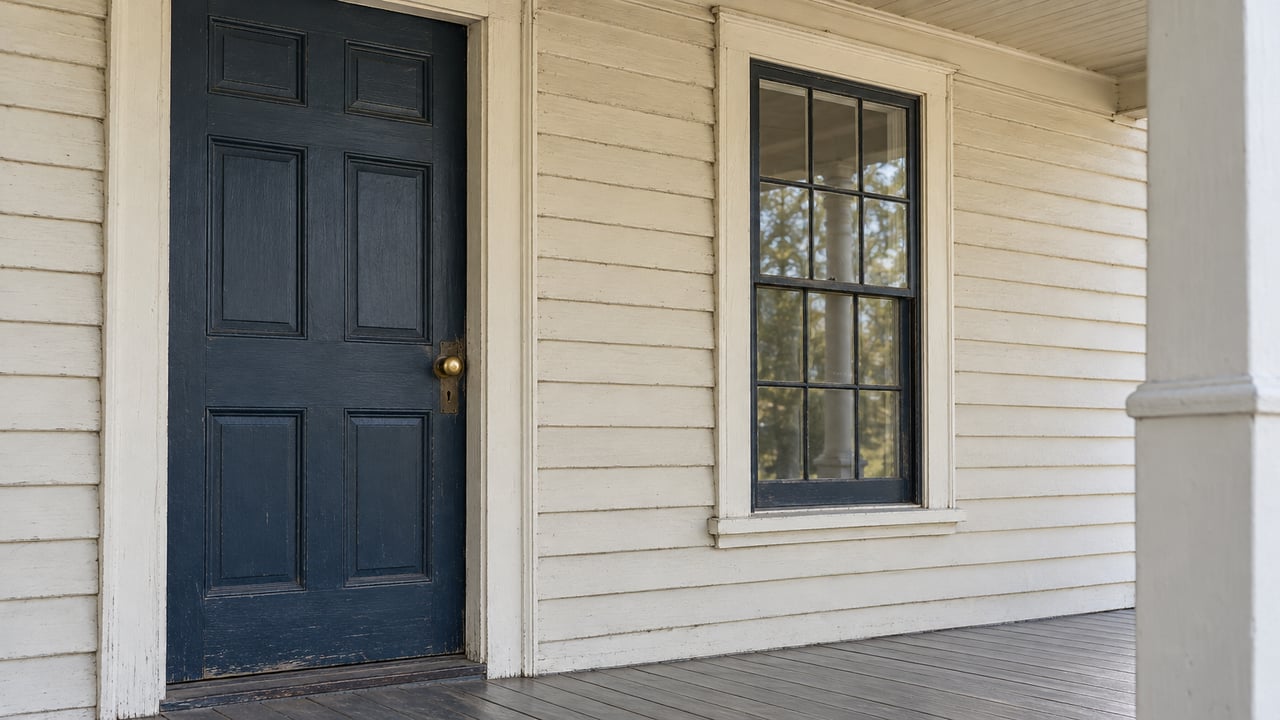
Colonials emphasize symmetry. You will often see two stories with a centered entry, evenly spaced double‑hung windows, and a gable or gambrel roof. Details range from modest trim to more pronounced Colonial Revival elements like cornices and pediments.
Colonial floor plan and flow
The classic center‑hall plan opens to a staircase with formal rooms on either side, kitchen at the rear, and bedrooms upstairs. This creates a clear separation between public rooms and everyday living. Many homes convert basements or attics for extra space.
Colonial updates buyers value
- Rework the rear to create an open kitchen and family room without altering the formal front.
- Add a mudroom and laundry near a side entry or garage for daily function.
- Preserve façade symmetry when you update windows or add space, especially in historic areas.
Farmhouse style: key features and flow
Farmhouse exterior cues
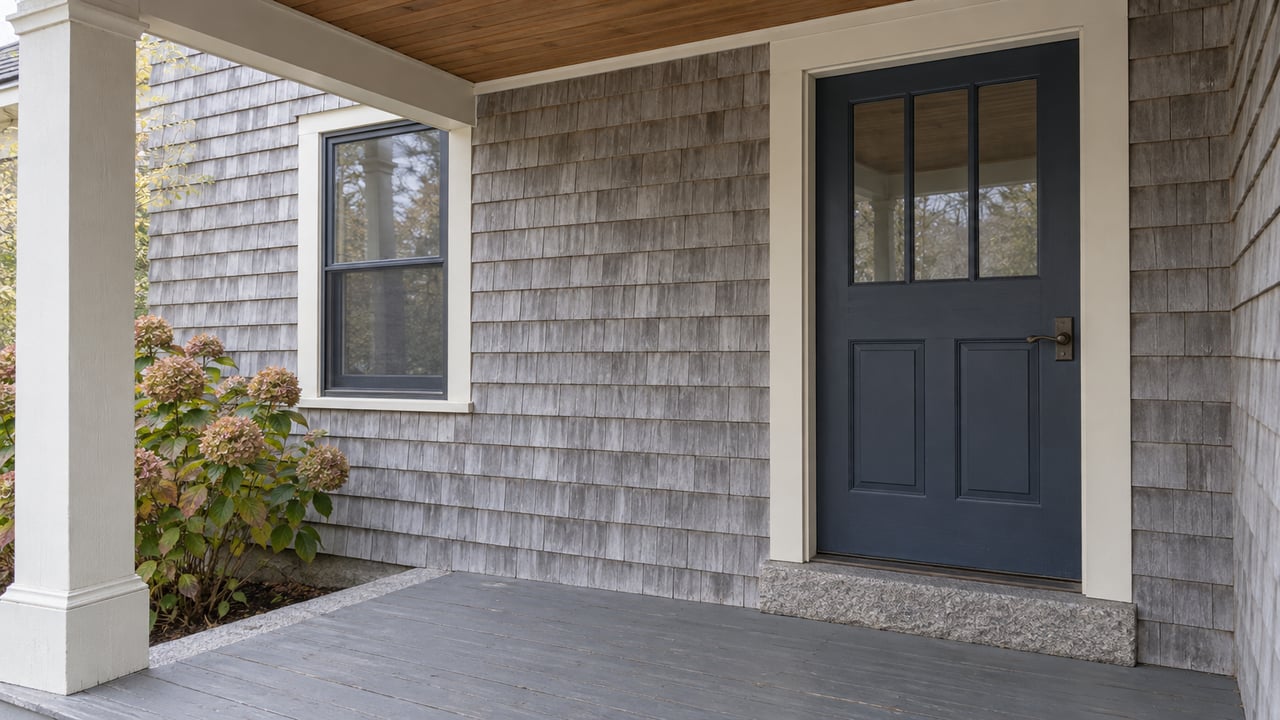
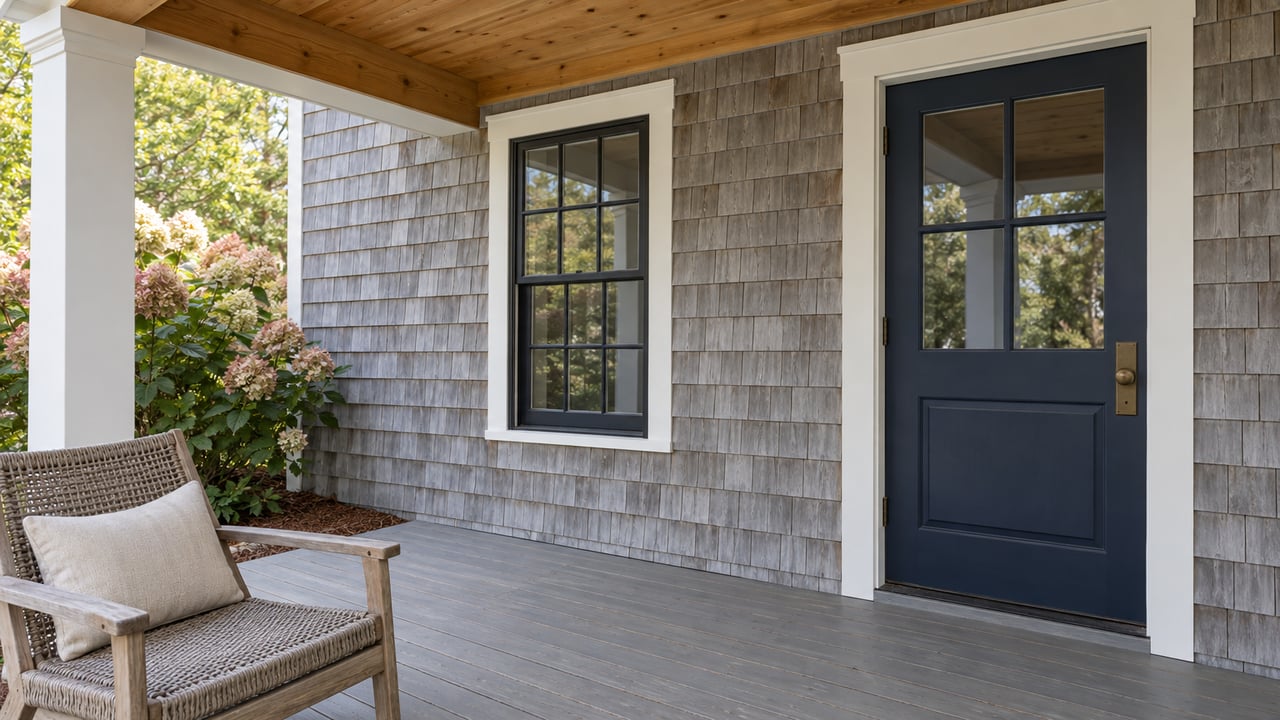
Farmhouses are practical and welcoming. Look for simple rectangular or L‑shaped forms, gable roofs, and full or partial front porches. In the Duxbury area, clapboard or shingle siding is common, and you often see attached ells or converted barns for extra living space.
Farmhouse floor plan and flow
Historically, the kitchen was the hub with work rooms close by. Many modernized farmhouses feature an open plan with the kitchen and family room at the center, plus a mudroom entry and first‑floor service spaces. Flexible rooms and incremental additions are typical.
Farmhouse updates buyers value
- Restore or rebuild porches to elevate curb appeal and outdoor living.
- Convert ells or barns into finished space or a garage.
- Reconfigure interiors to center daily life on the kitchen and improve circulation to the outdoors.
What buyers want across styles
- A bright, functional kitchen that connects to everyday living space.
- More bathrooms and, when possible, an ensuite primary.
- Energy performance that lowers costs and improves comfort.
- Practical entries with storage, plus outdoor living that suits the coastal setting.
High‑impact updates that add value
Across Cape, Colonial, and Farmhouse homes, a few projects consistently boost marketability:
- Kitchen remodels with an island, durable countertops, and better flow to dining or family space.
- Bathroom updates and an added bath where feasible, especially a primary suite.
- First‑floor primary suite in homes with limited upstairs headroom or for multigenerational needs.
- Energy upgrades like insulation, air sealing, and efficient heating. Many owners use Mass Save incentives and assessments to plan this work.
- Mudroom and laundry improvements near daily entries.
- Thoughtful additions that respect the style, such as rear bump‑outs on Colonials, dormers on Capes, and expanded porches or ells on farmhouses.
For a national view of typical project payback, the Remodeling Cost vs. Value Report offers helpful comparisons. Actual returns vary with execution, local demand, and how well you preserve visible character.
Permits and preservation in Duxbury
Duxbury includes historic districts and individually significant properties. Exterior changes may require review by local historic bodies, so build that into your timeline. Keep larger alterations at the rear when possible and preserve character‑defining elements like trim, windows, and chimneys.
- Before exterior work, confirm with the Town of Duxbury building and planning offices which permits or reviews apply.
- To explore a property’s historical context, check the Massachusetts historic property database (MACRIS).
- Energy improvements that do not change the exterior, such as insulation and HVAC upgrades, are usually the simplest path to comfort and efficiency.
Choosing the best fit for you
- Choose a Cape if you want charm and a compact scale, and you are open to adding dormers or a rear kitchen addition.
- Choose a Colonial if you like symmetry, a center‑hall layout, and the option to open up the rear while keeping formal rooms intact.
- Choose a Farmhouse if you value an inviting porch, flexible rooms, and a kitchen‑centered lifestyle with smooth indoor‑outdoor flow.
Selling a Cape, Colonial, or Farmhouse
- Preserve curb‑facing character. Refresh siding, trim, shutters, and porches in a way that suits the style.
- Focus on kitchens, baths, and a practical entry. These set buyer expectations in the South Shore market.
- Highlight the features buyers love. For Capes, emphasize new dormers or a first‑floor suite. For Colonials, show how the rear opens to family living. For farmhouses, stage the porch and mudroom.
- Document energy improvements. Insulation, heating upgrades, and window restoration or storms are strong selling points.
The right plan brings out the best in each style. If you want help weighing updates, staging for flow, or positioning your home for top results in Duxbury, reach out to Lindsay Conlon for local guidance.
FAQs
How to spot an original Cape vs a revival in Duxbury
- Original Capes have compact plans, a central chimney, and smaller windows, while 20th century revivals often have larger footprints, dormers, and modern systems.
Do dormers hurt a Cape’s character in Duxbury
- Well‑scaled dormers that match roof pitch, window proportions, and siding can blend in, but oversized dormers can overwhelm the roofline.
Are historic wood windows worth preserving in Duxbury homes
- Original windows are character‑defining; consider restoration with storm windows for efficiency or historically accurate replacements if allowed.
Which renovations add the most resale appeal locally
- Kitchens and baths lead, followed by first‑floor primary suites, energy upgrades, and additions that respect the home’s style.
What permits or reviews apply to exterior changes in Duxbury
- Expect standard building permits and possible historic review for visible exterior work, especially in designated districts; always confirm with town offices.