You get one chance to make a first impression, and for today’s buyers that moment happens on a screen. If your Hanover home looks bright, clean, and well-staged online, you invite more showings and stronger offers. If it looks cluttered or dark, you risk fewer clicks and a lower perceived value. In this guide, you’ll learn how a strategic staging-first plan, paired with professional photos and a few smart updates, helps South Shore homes sell higher and faster. Let’s dive in.
Why presentation is a pricing tool
Staging and photography influence how buyers value your home before they ever step inside. When your listing shows well, you have more leverage to price near the top of the comparable range. You also reduce the chance of early price cuts that come from weak traffic.
The first 1-2 weeks on market are critical. A compelling presentation creates urgency and can spark multiple offers in active segments. If your home competes with updated, staged listings across Hanover and nearby towns, investing in presentation keeps you in the top tier.
What South Shore buyers notice
Kitchens and baths
Buyers across Hanover and the South Shore focus on kitchens and bathrooms. Updated cabinets, stone or solid-surface counters, modern fixtures, and spotless grout stand out in photos and showings. If a full remodel is not on the table, small upgrades like new hardware, fresh caulk, and clean, neutral styling go a long way.
Light, flow, and flooring
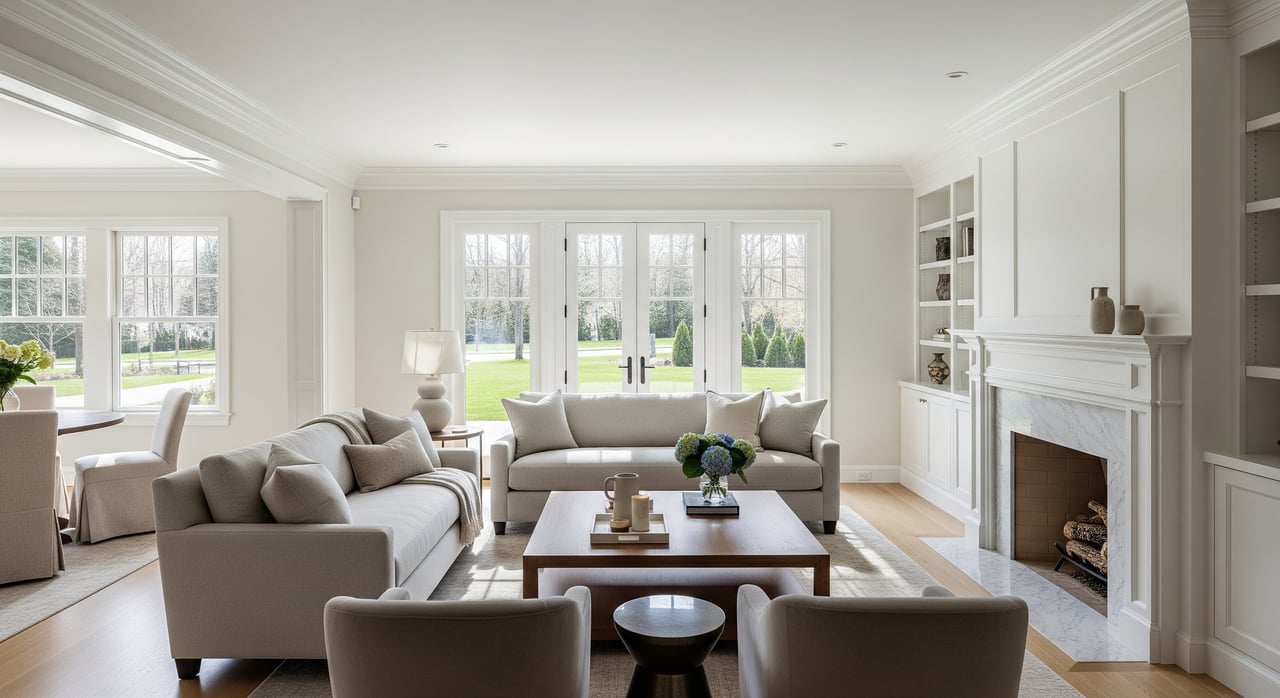
Open sight lines and a clear furniture plan help rooms feel larger and more functional. Hardwood or quality engineered wood in main spaces photographs well and reads “move-in ready.” Good lighting matters: clean the windows, swap in brighter, color-consistent LED bulbs, and add lamps in darker corners.
Practical features that matter
Commuters value simple, organized entry points, clear driveway access, and a low-maintenance yard. Families appreciate flexible living spaces, a staged dining area, and a calm primary suite. Empty nesters look for quality finishes and easy living. Your staging should highlight how the home supports everyday life without overstuffing rooms.
A staging-first plan that works
A simple, three-week plan helps you move from prep to photos to a confident launch.
Week 1: Consult and prioritize
Meet with your listing agent and, if needed, a professional stager for a full walk-through. Identify must-fix items like safety issues, odors, and visible damage. Prioritize cosmetic updates with the best return, including paint, lighting, small repairs, and curb appeal.
Week 2: Targeted updates and declutter
Focus on high-impact changes that photograph well. Refresh paint with warm, neutral tones in the living area, kitchen, and primary bedroom. Replace dated fixtures and switch to higher-CRI bulbs. Deep clean, tighten up grout and caulk, and tidy the entry and landscape. Declutter and depersonalize so rooms feel spacious and neutral.
Week 3: Stage and capture visuals
Stage the priority spaces: the main living room, kitchen, dining area, primary bedroom, and one bathroom. Create simple lifestyle vignettes, like a breakfast setup or a small work zone if the layout supports it. Schedule professional photography, request a floor plan with measurements, and consider a 3D tour for higher-priced or remote-buyer segments.
Launch and refine
Go live with your strongest visuals. Track online activity and showing feedback closely in the first 10-14 days. Be ready to tweak staging, adjust marketing, or revisit pricing strategy if early response is not meeting expectations.
Your pre-listing checklist
- Pre-listing walk-through completed
- Safety and major issues addressed
- Priority paint and lighting updates finished
- Decluttering and depersonalizing completed
- Staging of 3-5 key rooms executed
- Professional photography, floor plan, and optional 3D tour completed
- Curb appeal checklist completed
- Showing kit prepared with key property and neighborhood information
High-impact updates with strong ROI
Not every project needs a renovation. On the South Shore, modest updates often deliver outsized results.
- Fresh paint: Neutral, warm tones photograph well and appeal to a wider pool of buyers.
- Lighting: Updated fixtures and brighter bulbs make spaces feel larger and more welcoming.
- Hardware and fixtures: Swapping dated cabinet pulls and faucets modernizes kitchens and baths instantly.
- Deep clean and minor repairs: Clean grout and fresh caulk send a move-in-ready signal.
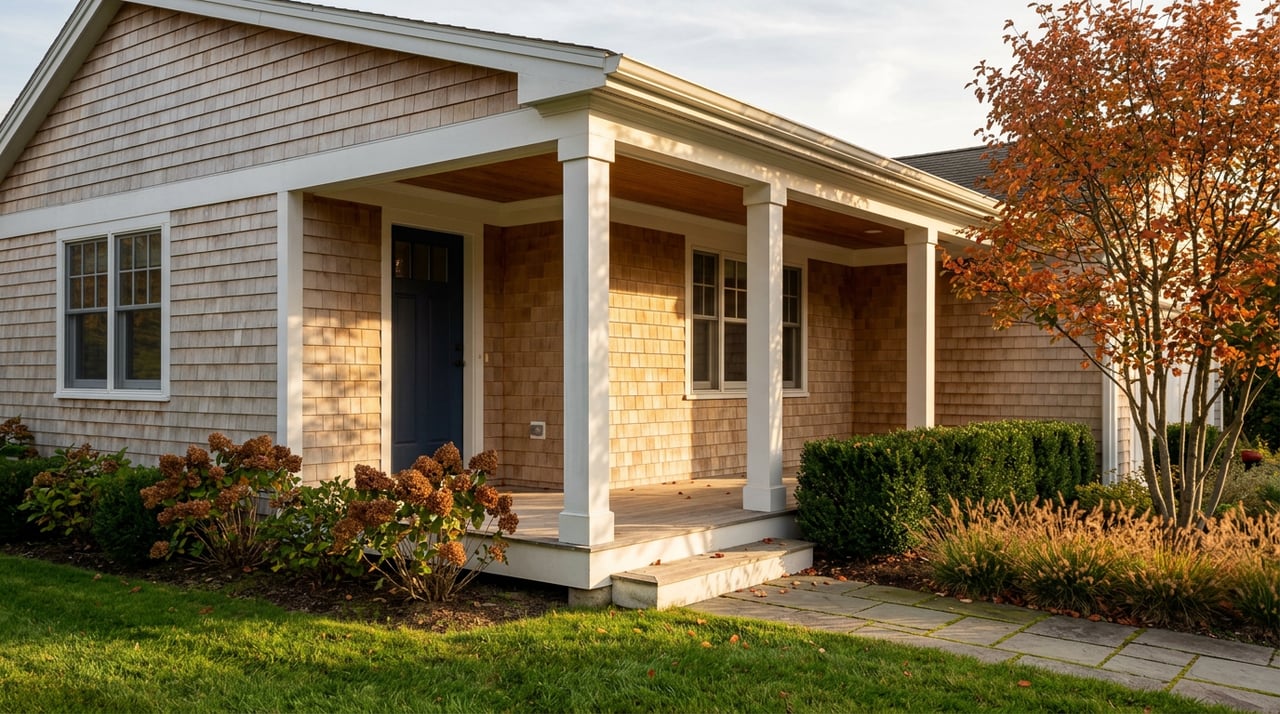
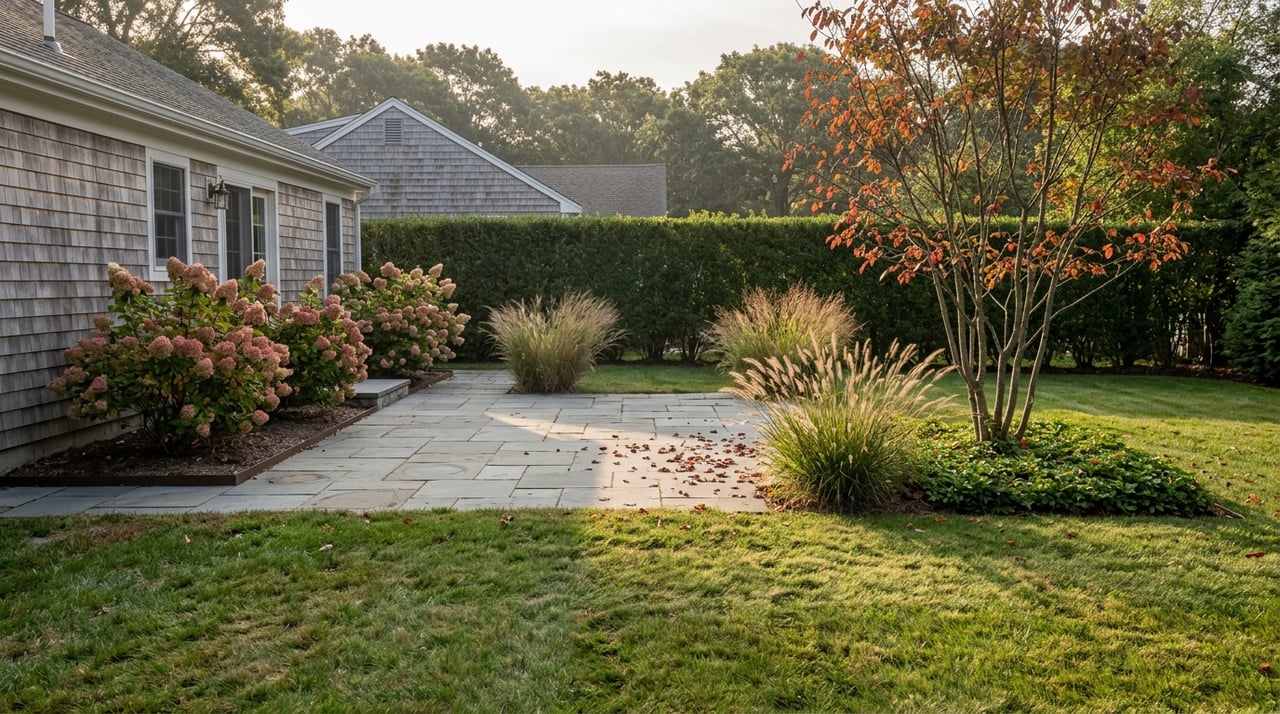
- Curb appeal: Trimmed shrubs, edged beds, a clean walkway, and a staged porch set the tone before buyers reach the door.
These are cost-controlled steps that enhance perceived value and reduce days on market.
When to choose full, partial, or virtual staging
- Full staging: Best for vacant homes, higher price brackets, or unique layouts where buyers need help visualizing function. Empty rooms often look smaller in photos; furniture provides scale and warmth.
- Partial or occupied staging: Ideal when you already have well-kept furnishings. Focus on the main living area, kitchen, dining, and primary suite for maximum impact.
- Virtual staging: Useful for budget-conscious situations or to show alternate room uses. Always label virtually staged images clearly and ensure the real home aligns with buyer expectations at showings.
Photography and virtual assets that sell
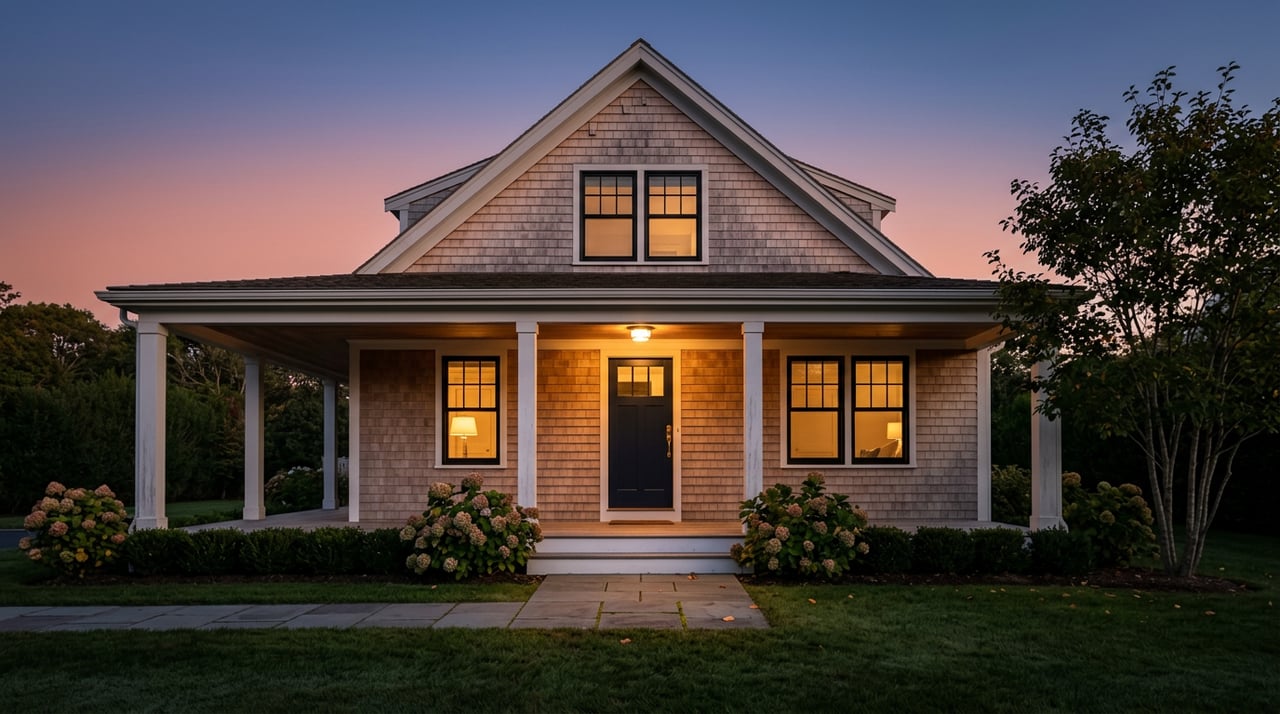
Strong visuals are your first showing. Request a shot list that covers the kitchen, main living area, primary suite, exterior front, backyard, and a dusk exterior if appropriate. Floor plans and accurate measurements help buyers understand flow. For select listings, video or 3D tours can boost engagement, especially with out-of-area buyers.
Industry research consistently shows that quality images, floor plans, and virtual tours increase listing views and showing requests. On the South Shore, where busy buyers screen homes quickly online, these assets are essential.
Tie presentation to pricing and negotiation
Staging supports your pricing strategy. If comparable homes in Hanover and nearby towns are updated and staged, your listing can justify pricing near the top of that range when it matches or exceeds the standard of presentation. The goal is to launch with confidence, attract strong early traffic, and negotiate from a position of strength.
Monitor early feedback and adjust as needed. If you see high views but low showings, revisit photos, description, or price alignment. If showings are steady but offers lag, a small staging tweak can clarify room function or improve flow.
Hanover scenarios and how to stage
Classic colonial, owner-occupied
Emphasize the kitchen and main living area with neutral paint and brighter lighting. Edit furniture to show sight lines and flow to the yard. Stage an organized mudroom or entry to appeal to commuters.
Vacant cape or ranch
Use full or partial staging to define room purpose and scale. Keep decor light and simple to maximize perceived space. Consider a 3D tour for buyers relocating within the Boston metro area.
Unique layout or bonus spaces
Show a dedicated work nook or play area with minimal furniture. Use rugs and lighting to define zones without closing off the room. Focus on clarity, not clutter.
Getting started in Hanover
You do not need a full renovation to sell well in Hanover. You need a plan that starts with presentation, captures compelling visuals, and launches with disciplined pricing. A staging-first approach puts your best foot forward with the buyers most likely to bid.
If you want a customized plan for your home, coordinated staging, professional photography, and a pricing strategy aligned to South Shore comps, connect with Lindsay Conlon. As a Pricing Strategy Advisor who runs a staging-first listing process, Lindsay helps Hanover sellers prepare with confidence and list to win. Get ready with a pre-listing walkthrough, a tailored checklist, and a clear path to top-dollar outcomes.
FAQs
Do Hanover homes really sell higher when staged?
- Staging and high-quality visuals improve buyer perception, which can increase interest, reduce days on market, and support stronger offers.
How much does staging cost in Hanover, MA?
- Costs vary by scope, rooms staged, and whether furniture rental is needed; request local quotes and prioritize high-impact, low-cost updates first.
Which rooms should I always stage for the South Shore market?
- Focus on the main living room, kitchen, dining area, primary bedroom, and one bathroom; these spaces most influence buyer value perception.
Can virtual staging replace physical staging for a vacant home?
- Virtual staging can help online, but physical staging typically shows and photographs better in person; label virtual images clearly and set accurate expectations.
How far in advance should I start staging and updates?
- Start 2-3 weeks before photos: Week 1 consult, Week 2 updates and declutter, Week 3 staging and photography, then launch.
What are signs a home needs more than staging before listing?
- Safety issues, odors, visible water damage, or mechanical problems should be addressed first; staging enhances presentation but does not replace repairs.
Does staging affect an appraisal or lending?
- Staging does not change the appraised value directly; it supports market demand, which can influence the offers you receive before appraisal.