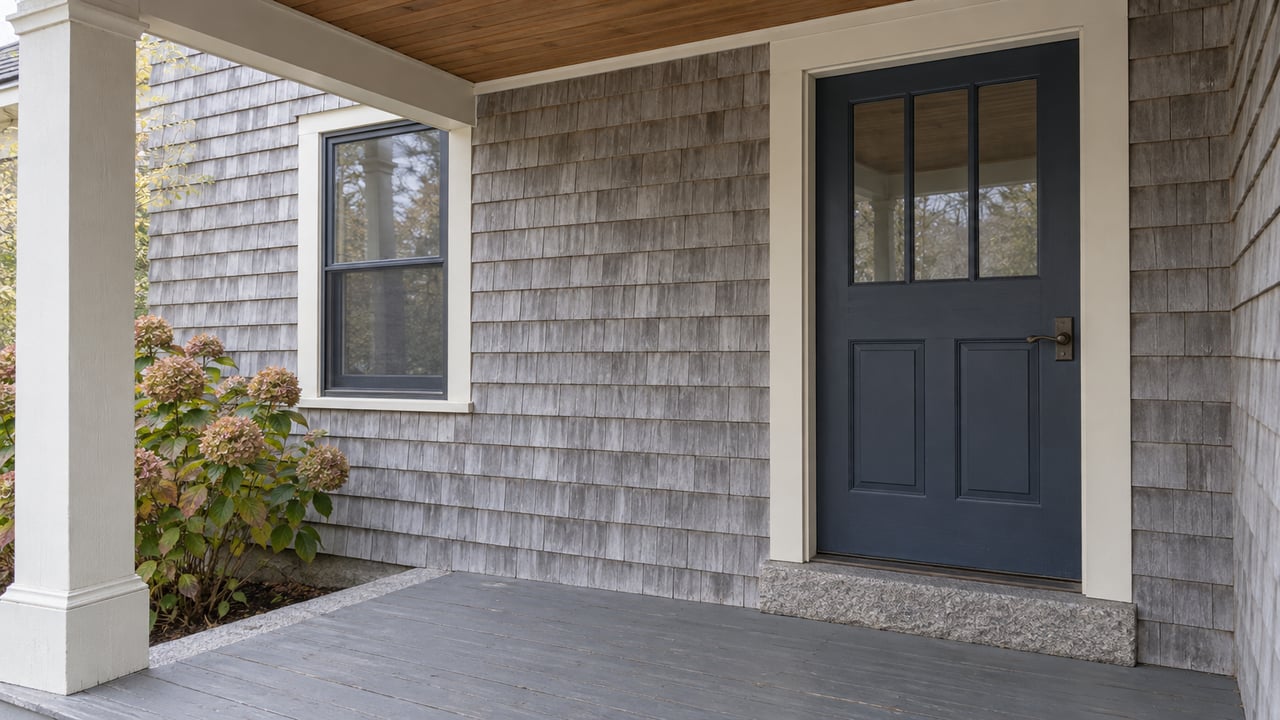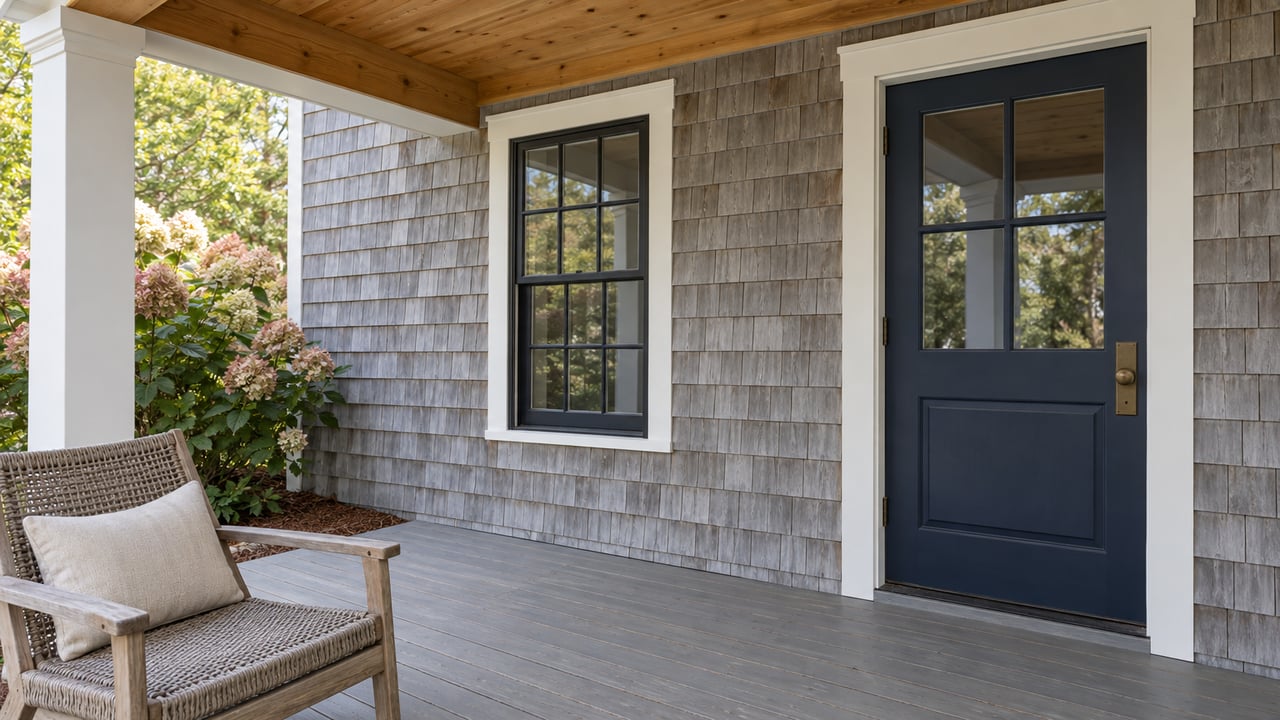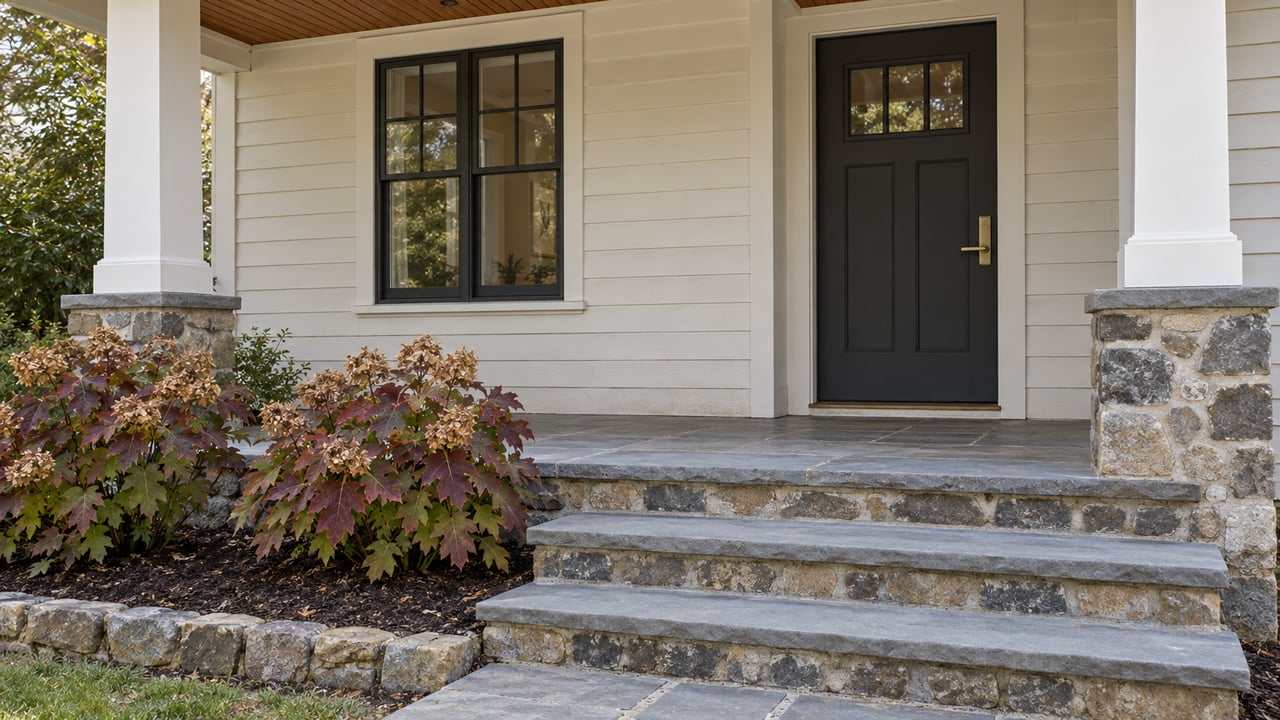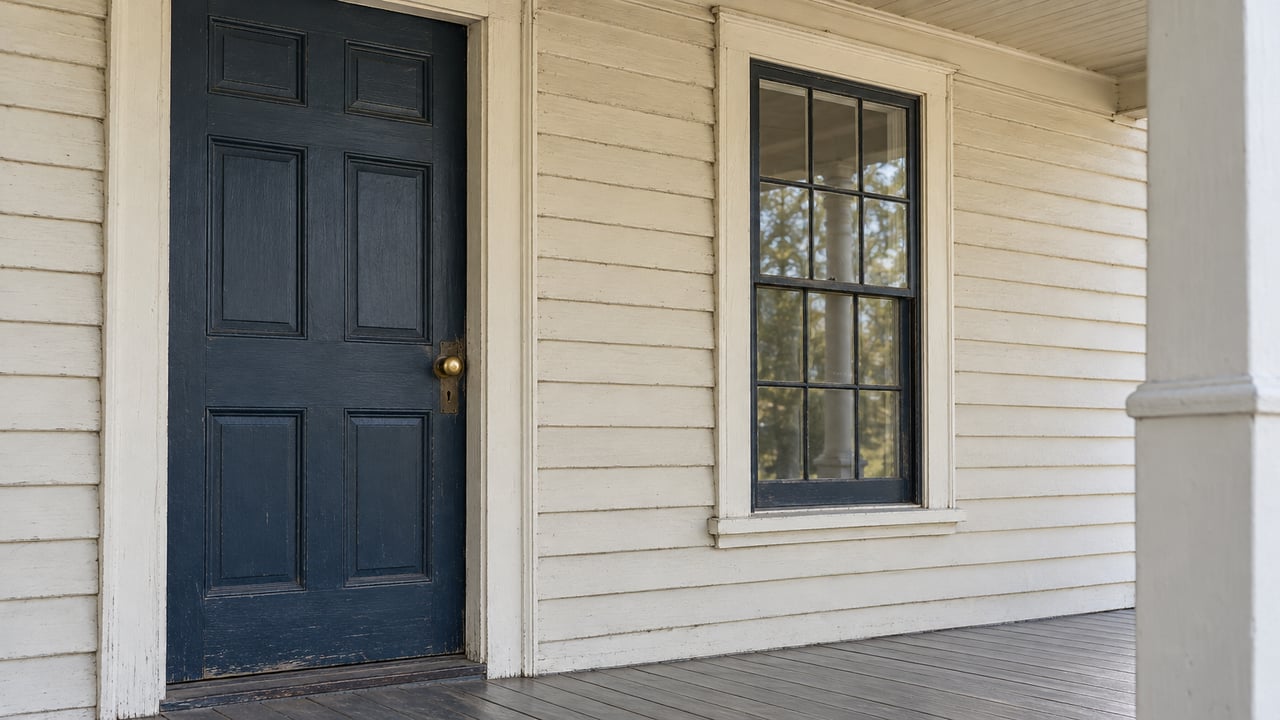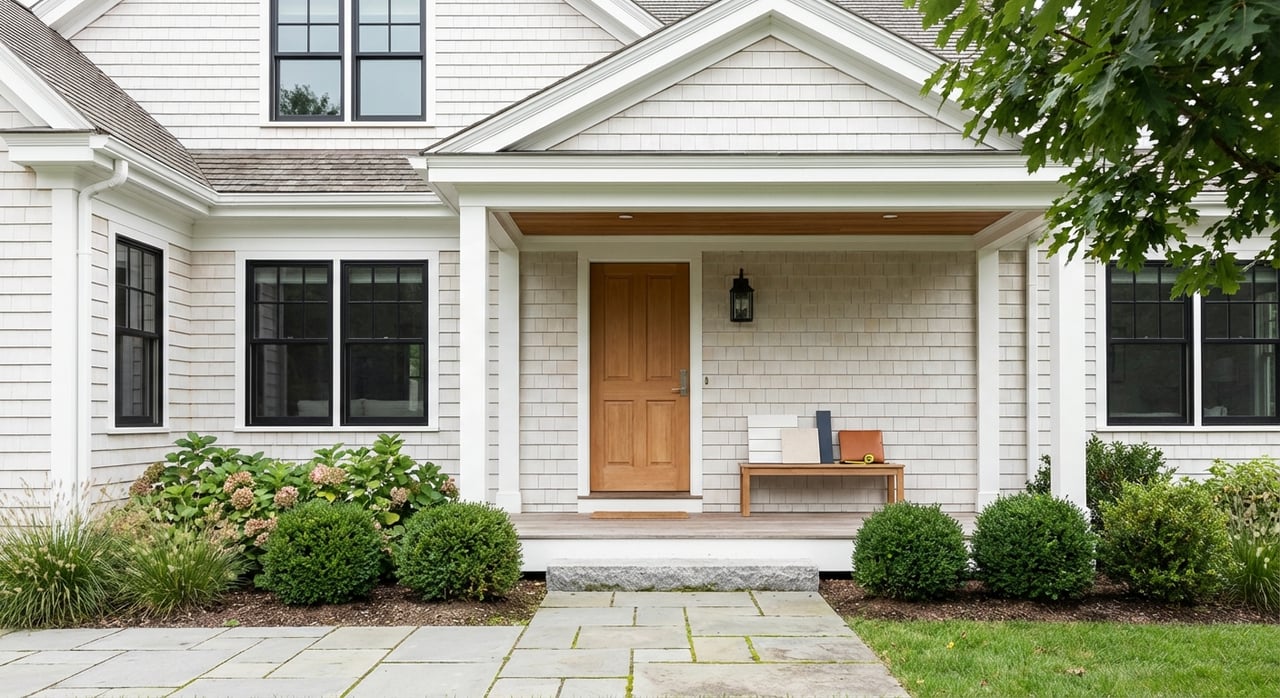
Your Hingham home suddenly feels a size too small. Do you open walls or open a new front door? With older housing stock, tight local inventory, and real costs on both paths, the answer is not one size fits all. In this guide, you’ll compare real Hingham market conditions, project costs, resale math, and financing options so you can choose with confidence. Let’s dive in.
Hingham market at a glance
Hingham is a premium, low‑inventory South Shore market. Major aggregator snapshots for late 2025 show typical single‑family values landing roughly in the 1.25 to 1.4 million range, though numbers vary by data source and micro‑neighborhood. You can review the latest trend lines in the Zillow Hingham index and then pin down your own address with a local CMA for accuracy (Zillow’s Hingham home values).
For statewide context, Massachusetts single‑family prices rose modestly in 2025, with the statewide median reaching 638,000, which helps explain Hingham’s sustained premium on the South Shore (Warren Group report). Inventory is small, so days on market and price swings can look jumpy month to month. Neighborhoods with walkability or water access often command higher per‑square‑foot prices, and waterfront or harbor‑view homes can see especially strong premiums.
Renovate in place: costs and realities
Renovation can solve space and style issues without giving up your street or commute. In Greater Boston, labor and materials often price above national averages, and older Hingham homes can hide surprises behind the walls. Here are common project ranges and timing to set expectations:
Kitchen
- Minor refresh: 20,000 to 40,000
- Midrange full remodel: 50,000 to 120,000
- Upscale or layout‑changing: 150,000+
Typical build time runs 6 to 16 weeks after demo, plus design and lead times.
Bathroom
- Midrange: 20,000 to 45,000
- Primary bath or structural rework: 50,000+
Work often spans 4 to 12 weeks depending on inspections and scope.
Basement finishing
- Broad range: 40,000 to 150,000+ depending on waterproofing, egress, mechanical upgrades, and finishes.
Additions or new living area
- Many Boston‑area additions run about 200 to 450+ per finished square foot when you include structure, foundation, and MEP upgrades.
Older Hingham homes add variables like knob‑and‑tube wiring, lead or asbestos risks, fieldstone foundations, and damp basements. Those issues can expand scope, timeline, and cost. Exterior changes in Hingham’s local historic districts require review and a certificate of appropriateness, which can add weeks or months to the schedule (Hingham Historic Districts Commission).
What typically pays back at resale
Short‑term return varies widely by project. Regional Cost vs. Value studies show that major custom kitchen remodels often recoup a smaller share of cost, while targeted minor kitchen updates and exterior curb‑appeal projects tend to deliver higher percentage returns in the Boston area (Boston Cost vs. Value). In plain terms:
- If you plan to sell in 1 to 3 years, prioritize curb appeal, essential systems, and smart cosmetic updates.
- If you plan to stay 7 to 10+ years, personal enjoyment and function can justify a larger remodel that may not fully pay back dollar for dollar.
Renovation timeline and risk checklist
- Get 2 to 3 written bids with clear scopes and allowances.
- Build a 10 to 20 percent contingency for surprises common in older homes.
- Expect longer lead times in winter and for specialty inspections.
- Line up financing early, whether HELOC, cash‑out refi, or savings, and plan for temporary living or phasing to reduce disruption.
Move up in Hingham: costs and competition
Buying bigger nearby can be attractive if you want more square footage, a different lot, or a turnkey home without months of construction. Be sure to model transaction costs on the sale side and the market realities on the buy side.
Seller costs to budget
- Commission. Boston‑area surveys often show total commissions around 5 to 6 percent of the sale price, though this is negotiated case by case (commission benchmarks).
- Deed excise tax. Massachusetts collects 4.56 per 1,000 of consideration (0.456 percent) at recording, a non‑negotiable cost (state recording fee guidance).
- Attorney, title, and recording fees. These vary by deal.
A simple rule of thumb is to model 6 to 10 percent of the sale price for total selling costs, then subtract your mortgage payoff to estimate net proceeds.
Buying constraints in Hingham
Well‑located larger homes are limited in number, and demand is steady. That can mean a sizable gap between your net proceeds and the price of the next home, plus fewer immediate substitutes if you are focused on a specific neighborhood or lot type. Track local days on market and inventory to time your approach (Hingham market data).
Financing your next step
If you need to bridge a down payment or fund renovations, compare these options:
- HELOC or home equity loan. Often faster to set up and useful for phased projects. Variable‑rate HELOCs are common. See a consumer comparison of HELOC vs. cash‑out to weigh pros and cons (financing comparison).
- Cash‑out refinance. Replaces your mortgage and delivers a lump sum, but depends on current rates and closing costs.
- Bridge loan. Short‑term financing that lets you buy first and sell later, helpful in competitive markets but typically higher in cost. Review how bridge loans work and what lenders require (bridge loan basics).
Also plan for carrying costs if you overlap two properties, moving and storage, potential appraisal gaps, and temporary housing. Build a conservative timeline with a 60 to 90 day sale window to reduce stress.
A simple decision framework
Use this step‑by‑step approach to compare paths with clear numbers.
1) Clarify your time horizon
Are you staying 1 to 3 years or 7 to 10+ years? Short timelines favor targeted updates that show well at resale. Longer timelines support more customized renovations where daily enjoyment matters most.
2) Get a precise market read
Ask a local agent to run a comparative market analysis and a seller net sheet for your property. The net sheet will estimate your sale price range, likely costs, and net proceeds, which becomes your move‑up budget starting point.
3) Scope renovation and collect bids
Define must‑haves vs. nice‑to‑haves, then get 2 to 3 bids that include allowances and schedules. Add a 10 to 20 percent contingency and a basic financing quote for a HELOC or cash‑out refi so you know your monthly costs.
4) Model three scenarios
- Sell and buy larger. Use a conservative, base, and optimistic sale‑price range, expected net proceeds, target purchase price, and estimated closing and overlap costs.
- Renovate in place. Plug in your bid, contingency, likely timeline, living plan during the work, and a rough resale recoup based on regional Cost vs. Value ratios (Boston Cost vs. Value).
- Hybrid. Consider buying a slightly larger home that needs light updates later. If you might add an accessory dwelling unit, confirm feasibility and rules first.
5) Stress test financing
If you might carry two loans or use a bridge loan, model monthly cash flow and reserves. Keep a margin for rate moves and closing delays. Pre‑approval for each path will clarify your ceiling and timeline.
6) Weigh quality‑of‑life factors
Think about commute, accessibility, yard needs, noise tolerance during construction, and your appetite for project management. The right choice balances dollars with daily life.
Real‑world snap examples
The tight kitchen. You plan to sell in 24 months. A 25,000 to 40,000 minor kitchen refresh plus paint and lighting can make photos and showings pop without over‑customizing. If the goal is a near‑term sale, this path often beats a six‑figure gut job.
The growing family. You need a fourth bedroom and more mudroom storage. An addition at 250 to 350 per finished square foot can solve space but might approach the cost of buying bigger in a different neighborhood. Price both paths with a net sheet and a contractor bid before you decide.
The turnkey seeker. You want space now and no construction. With limited listings, expect strong competition for updated homes in walkable or waterfront‑adjacent pockets. Plan for a bridge strategy or flexible timing if you cannot time both closings perfectly.
How Lindsay helps you choose confidently
You deserve clear numbers and a calm, professional plan. With a Pricing Strategy Advisor approach and a staging‑first listing workflow, you get a precise CMA, a detailed seller net sheet, and a plan to maximize your net proceeds if you sell. If you stay and prep for a future move, you get guidance on the small, high‑impact updates that help your home photograph and show its best when it is time to list. Ready to run the numbers and compare your options side by side? Reach out to Lindsay Conlon to get a tailored plan.
FAQs
Will a new kitchen pay for itself if I sell in Hingham?
- Large, customized kitchen remodels often recoup a smaller share of cost, while minor updates and curb‑appeal projects tend to deliver stronger short‑term returns; always check local comps and Cost vs. Value ratios.
Can I add an ADU in Hingham and rent it out?
- Hingham has allowed attached ADUs by special permit with rules on owner‑occupancy and size; review the town’s current guidelines before assuming rental income and plan for a special‑permit process (Hingham ADU FAQs).
What is the fastest way to boost resale appeal before listing?
- Focus on curb appeal and obvious maintenance items first, like the entry door, landscaping, exterior paint, roof condition, and minor kitchen and bath touch‑ups, which often shorten days on market and show well in photos.