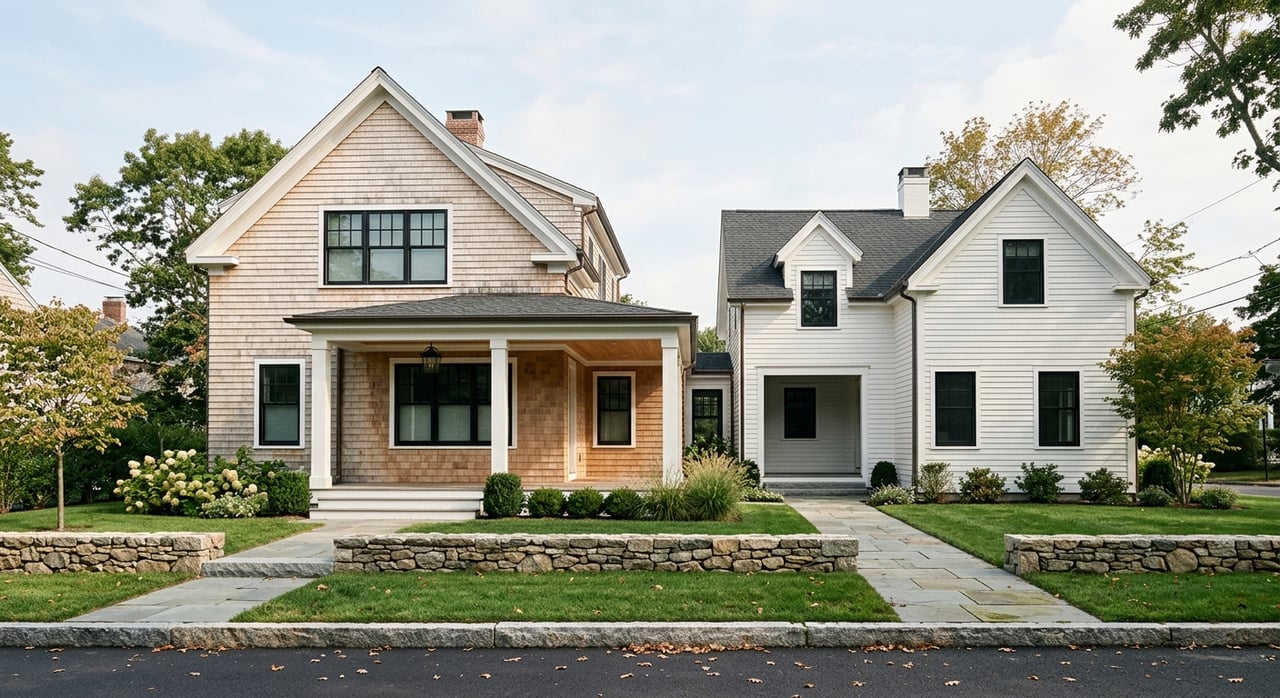
Buying in Hingham can feel exciting and a little tricky at the same time. One part of town may offer harbor access and a village feel, while another may make your commute easier or give you a different housing style and pace. If you want to compare Hingham neighborhoods in a smart, practical way, this guide will help you focus on the tradeoffs that matter most so you can narrow your search with more confidence. Let’s dive in.
Start With Hingham’s Big-Picture Layout
Hingham is not a one-note town. It covers 22.5 square miles, sits about 15 miles south of Boston, has 21 miles of shoreline, and includes six historic districts. The town also says nearly 20% of its land area is open space, which helps explain why buyers often compare Hingham by area type rather than by one street at a time.
That matters because your best fit may come down to a few lifestyle priorities. You may want water access, village character, easier transit, or quick access to open space and everyday errands. In Hingham, those goals can point you toward very different parts of town.
Compare Hingham by Area Type
A helpful way to shop in Hingham is to group your search into a few area types. The town’s public information is organized around districts, corridors, and preservation areas, so this method matches how Hingham is actually laid out.
Historic In-Town Core
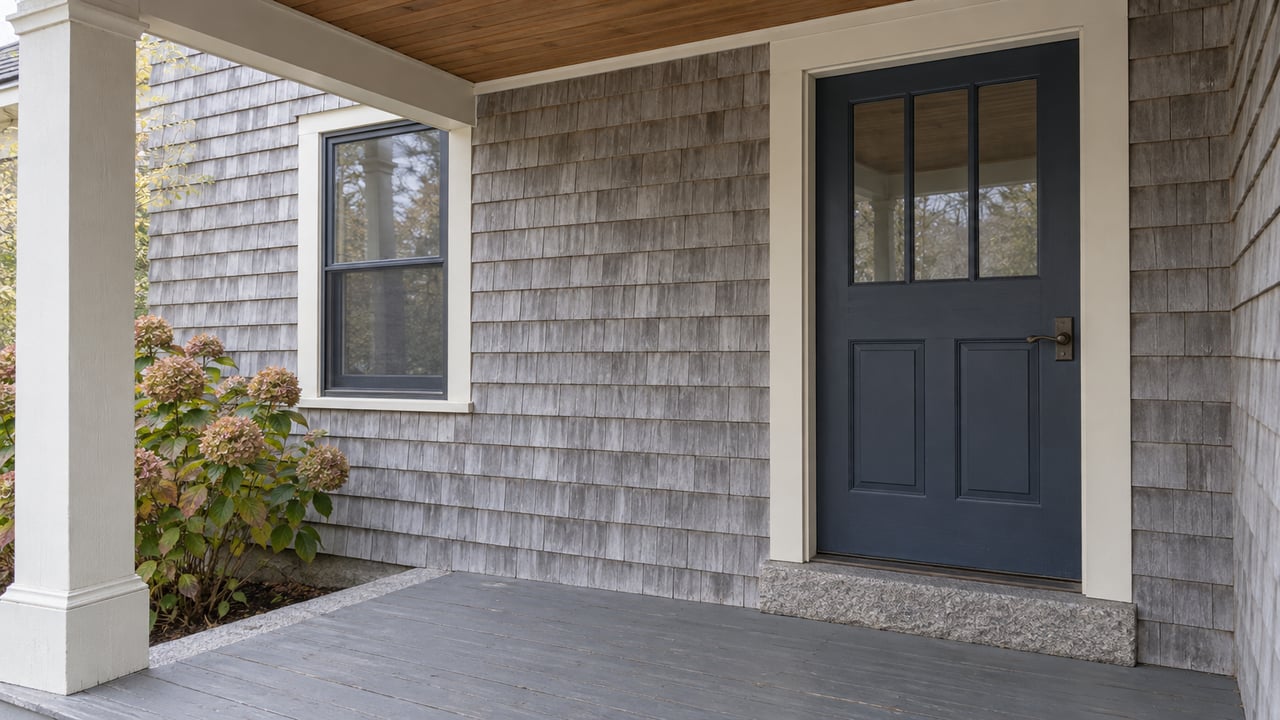
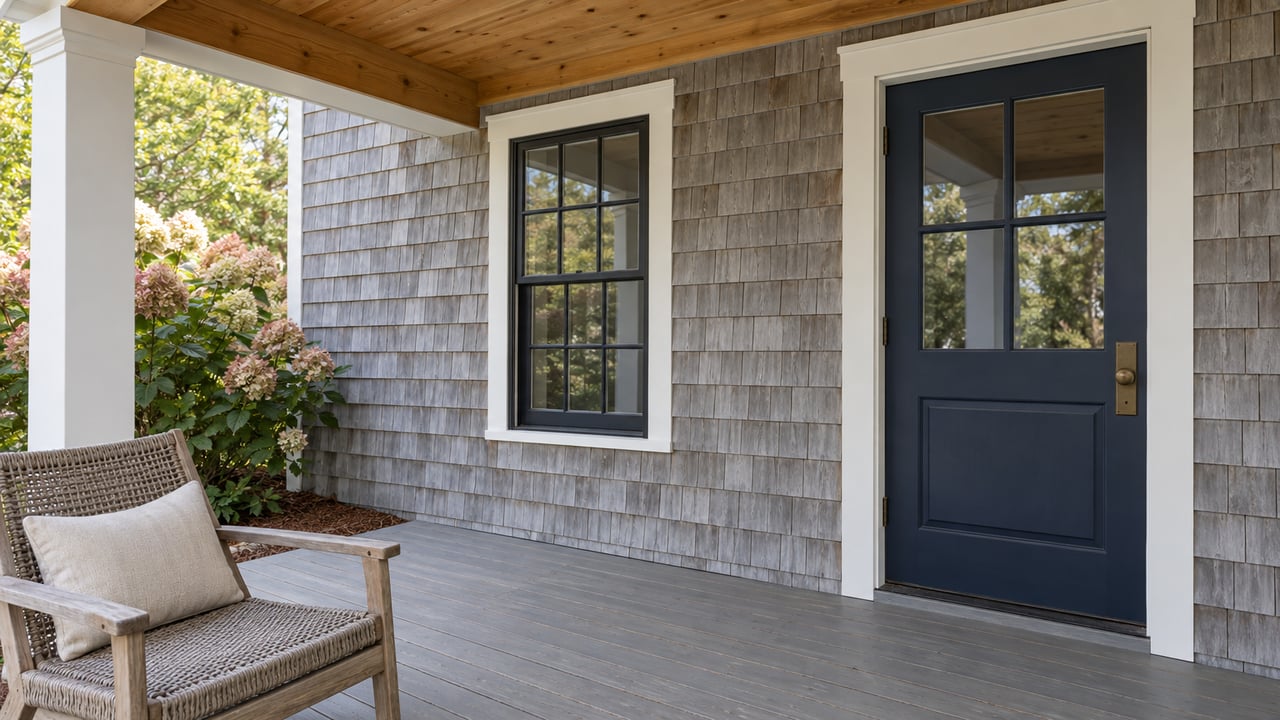
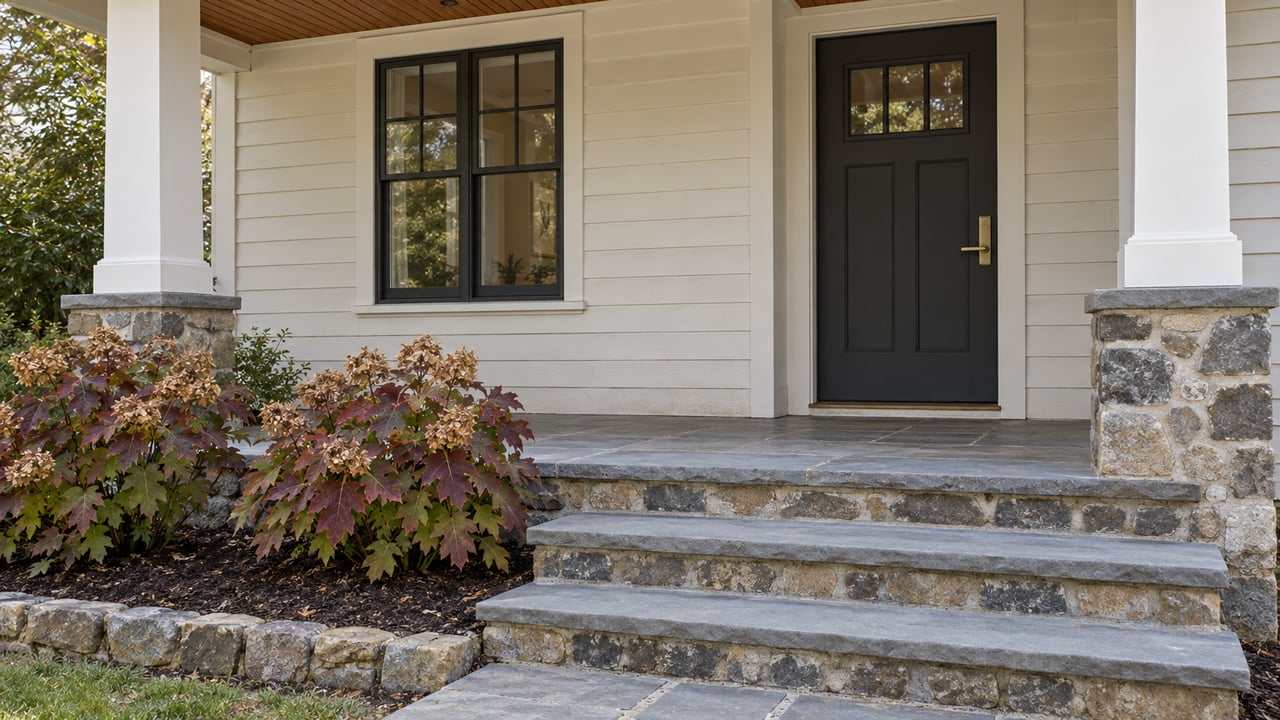
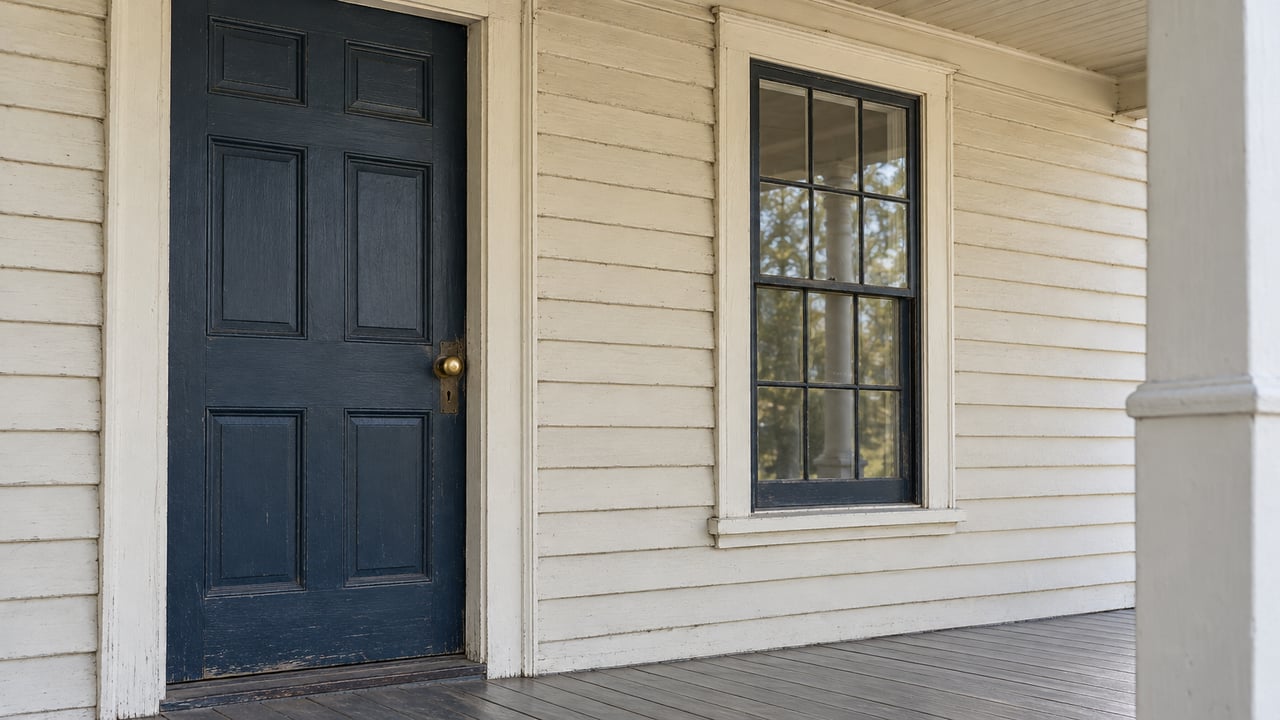
Hingham’s historic core includes areas such as the Lincoln Historic District, Hingham Centre Historic District, Glad Tidings, Tower-Wilder, and Liberty Plain. The town’s historical inventory shows a wide mix of housing styles here, including Cape Cod, Federal, Greek Revival, Queen Anne, Shingle, Colonial Revival, Traditional, and Ranch.
If you are drawn to older homes, established streetscapes, and proximity to civic spaces, this area may feel especially appealing. It tends to offer architectural variety rather than one single look, which can make your search more interesting if you appreciate homes with character and a longer history.
Harbor-Adjacent and Downtown Hingham
Downtown Hingham is described by the town as a place with small shops, restaurants, historic properties, and close access to Hingham Harbor and the Bathing Beach. The town also notes that Harbor Park expands public use of the harbor, which adds to the appeal of this part of town.
For buyers, this area is often about atmosphere and convenience. If you want to be near the waterfront and the town’s village-center activity, this is a logical place to compare first. The tradeoff is that your home search may prioritize location and setting over a quieter, more inland feel.
Hingham Shipyard and Route 3A
The Hingham Shipyard and Route 3A area is a mixed-use district built around the former World War II-era shipyard. The town describes it as a corridor with water uses, office employment, and MBTA ferry links to Boston, along with bus service that connects the ferry terminal to Hingham Square.
This area can be a strong match if you want transit convenience and a newer mixed-use setting. It often appeals to buyers who care more about access and ease than antique-house charm or a traditional historic streetscape.
South Hingham and Derby Street
South Hingham is the town’s highway-access business district, with two-interchange access to Route 3. The Derby Street area sits within the Industrial Park and South Hingham Development Overlay District, which points to a more car-oriented pattern with commercial uses and newer development styles.
If your priority is practical daily convenience, this area deserves a close look. Buyers often like the easier access to errands, parking, and Route 3. Compared with harbor-side or historic in-town areas, the feel here is generally more about functionality and access than waterfront atmosphere or older village character.
Rail-Connected Pockets
Hingham’s transportation options include the MBTA Greenbush Line, with West Hingham Station in Zone 3 and Nantasket Junction Station in Zone 4. The town also notes commuter boat service from Hingham to Rowes Wharf and MBTA bus access to Quincy Station, with Red Line access from Braintree and Quincy.
If you commute regularly, it helps to think beyond whether Hingham has transit at all. The more useful question is which area of town makes transit realistic for your day-to-day routine without too much extra driving first.
Match the Area to Your Daily Routine
The easiest way to compare neighborhoods is to picture a normal Tuesday, not just an ideal Saturday. Think about where you need to go most often and how you want those trips to feel.
If you want to spend more time near local activity and the waterfront, downtown and harbor-adjacent areas may stand out. If your routine depends on Route 3, South Hingham may make more sense. If you plan to commute to Boston, the Shipyard ferry area or rail-connected pockets may deserve more attention early in your search.
Consider Housing Style and Maintenance
Hingham’s housing stock spans many eras. According to the town’s historical records, you can find homes tied to colonial-era development as well as 19th-century, early-20th-century, and mid-20th-century styles.
That broad range matters because house style often affects upkeep, renovation plans, and the kind of updates you may want to make over time. A buyer looking for original detail and older architecture may have very different expectations from a buyer who wants a simpler maintenance path or a more recently built feel.
Check Historic District Rules Early
If you love older homes, do one more step before you get too attached. Hingham has local historic districts and a preservation review process, and the town notes that exterior changes in historic districts may be reviewed by the Historic Districts Commission.
This is especially important if you are already thinking about additions, exterior material changes, façade updates, or other visible alterations. Some buyers are happy to work within those guidelines, while others prefer more flexibility. Knowing your comfort level early can save time and prevent frustration later.
Use the GIS Map for Due Diligence
In Hingham, neighborhood comparison is not only about feel. It is also about checking the practical details tied to a specific property.
The town’s GIS map lets you view building outlines, flood plains, historic districts, parcel boundaries, and zoning districts. That makes it a useful tool when you are comparing homes in shoreline areas, historic settings, or places where lot lines and zoning details may shape your long-term plans.
Weigh Outdoor Access and Open Space
Outdoor amenities are a meaningful part of life in Hingham. The town highlights Bare Cove Park, a 484-acre waterfront park along the Weymouth Back River, World’s End, a 250-acre peninsula overlooking Hingham Harbor, and Wompatuck State Park, which includes 3,000 acres of woodland.
If outdoor access is high on your list, compare how close each area puts you to the places you expect to use often. For some buyers, being near the harbor is the priority. For others, larger open space and park access may have a bigger impact on day-to-day enjoyment.
A Simple Hingham Comparison Checklist
When you start touring homes, use the same short list for every area so your decision stays clear.
- How close do you want to be to Downtown Hingham, the harbor, or the Bathing Beach?
- How important is access to the Greenbush Line, commuter boat service, or Route 3?
- Do you prefer an older home in a historic setting or a newer home with fewer exterior review concerns?
- Would you rather have walkable village character, mixed-use convenience, or a more suburban car-oriented pattern?
- Will scenic location matter more to you than everyday errand convenience, or is it the other way around?
Focus on Fit, Not Just Price
When buyers compare Hingham neighborhoods, it helps to remember that the right choice is usually about fit, not just features on paper. A beautiful house can still feel wrong if the area does not support your commute, your routine, or the kind of setting you want to come home to.
The good news is that Hingham gives you real variety within one town. By comparing area type, transportation, housing style, preservation rules, and daily convenience, you can search with more clarity and make a decision that feels right long after closing.
If you want help narrowing your options in Hingham and finding the area that best matches your lifestyle, Lindsay Conlon can guide you through the search with local South Shore insight and a thoughtful, hands-on approach.
FAQs
How should you compare Hingham neighborhoods as a buyer?
- Start by comparing area types instead of only street names. In Hingham, it helps to look at historic in-town areas, harbor-adjacent locations, the Shipyard and Route 3A corridor, South Hingham, and rail-connected pockets based on your routine, housing preferences, and commute needs.
What is the difference between downtown Hingham and South Hingham for buyers?
- Downtown Hingham is associated with small shops, restaurants, historic properties, and access to Hingham Harbor and the Bathing Beach. South Hingham is more closely tied to Route 3 access, parking, retail, and car-oriented convenience.
What should buyers know about Hingham historic districts?
- Hingham has local historic districts, and certain exterior changes may be reviewed by the Historic Districts Commission. If you want to update a façade, add on, or change visible exterior materials, it is smart to check those rules early.
Which Hingham areas are best for commuting?
- Buyers who commute often should compare access to West Hingham Station, Nantasket Junction Station, the Hingham ferry, and Route 3. The best area depends on which mode of transportation you expect to use most and how much driving you want before the trip begins.
Why does the Hingham GIS map matter when buying a home?
- The GIS map can help you review flood plains, parcel boundaries, historic districts, zoning districts, and building outlines. That makes it useful for comparing not just neighborhood feel, but also property-specific details that can affect your plans.