Wondering whether staging is really worth it when you sell in Duxbury? In a market where many homes are high-value, primarily owner-occupied, and often rich in character, presentation can shape how buyers feel the moment they see your listing online and again when they walk through the door. The good news is that effective staging does not have to mean overdecorating. It means helping buyers see light, space, function, and lifestyle clearly. Let’s dive in.
Why staging matters in Duxbury
Duxbury has a distinct housing profile that makes presentation especially important. The town is largely made up of single-family homes, with 89.1% of the housing stock in that category, and the owner-occupied rate is estimated at 91.2%. With a median owner-occupied home value of $874,600, sellers are often competing in a market where buyers expect homes to feel polished and move-in ready.
Duxbury also has a mix of older homes and mid-century housing. The town’s 2024 Housing Production Plan notes that 15.4% of homes were built in 1939 or earlier, and the largest development wave took place from 1960 to 1989. That means staging often has two jobs at once: highlight charm and make the home feel functional for today’s buyer.
Online presentation matters here too. Local data shows strong household internet and broadband access, which supports what many sellers already know: buyers often start their search online. According to the 2025 Profile of Home Staging, 73% of buyer’s agents rated photos as important listing assets, and 31% said buyers were more willing to walk through a home they saw online.
What staging can influence
Staging does not guarantee a specific sale price, but it can improve how buyers respond to your home. In the same 2025 staging report, 60% of buyer’s agents said staging affects most buyers most of the time, and 83% said it makes it easier for buyers to visualize the property as a future home.
That shift in perception can help in practical ways. Nineteen percent of buyer’s agents reported a 1% to 5% increase in the dollar value offered, and 10% reported a 6% to 10% increase. Seller’s agents also reported that staging was often tied to less time on market, with 30% seeing a slight decrease and 19% seeing a great decrease.
For Duxbury sellers, that matters because many homes are competing on more than square footage alone. Buyers are comparing condition, style, layout, and how confidently a home presents itself. A well-staged listing can make your home feel more memorable and more complete.
Start with the highest-impact updates
If your budget is limited, focus on the basics first. The most common pre-listing improvements reported by agents were decluttering at 91%, whole-home cleaning at 88%, and curb appeal work at 77%. These steps are often more valuable than buying new decor.
Here is a smart order of operations:
- Remove extra furniture and personal items.
- Deep clean every room.
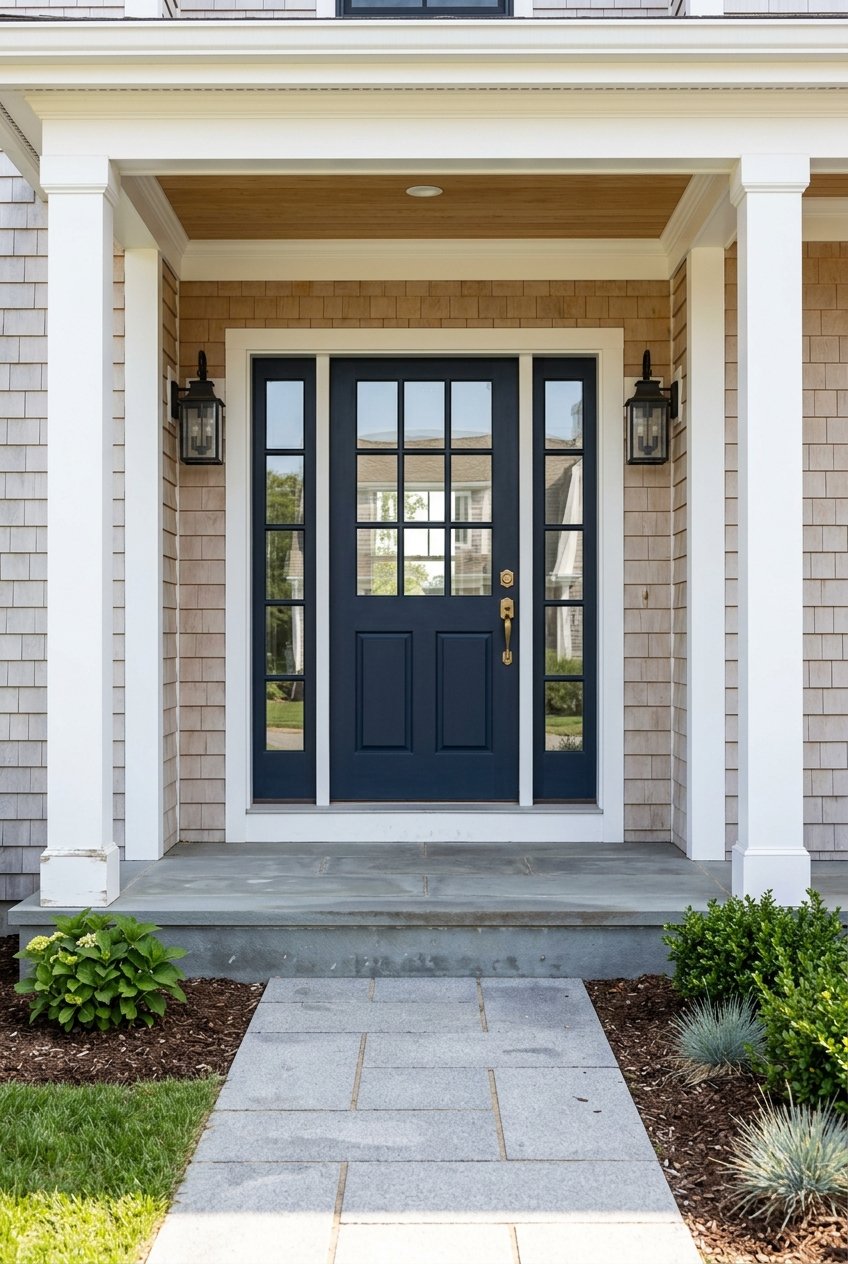
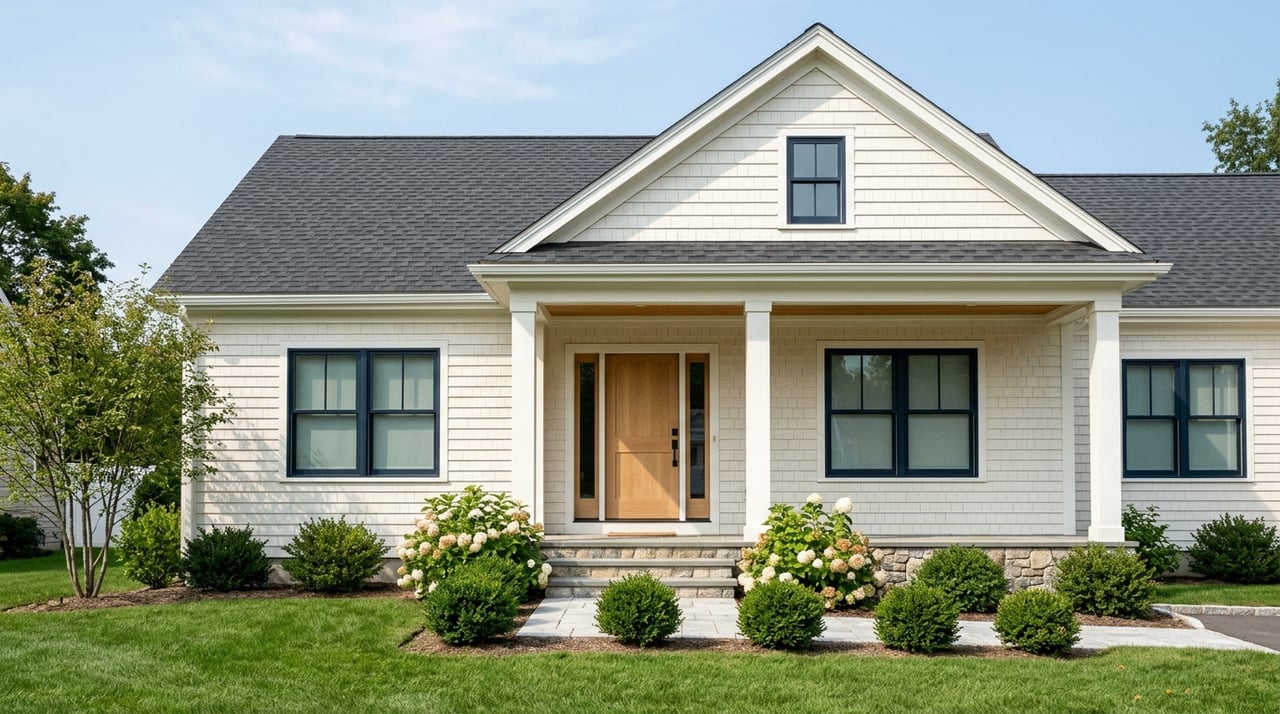
- Improve curb appeal with simple landscape cleanup.
- Touch up paint where needed.
- Add selective staging in the rooms that matter most.
This approach fits Duxbury well. Many homes already have architectural appeal, mature lots, or attractive outdoor areas. Your goal is to reveal those strengths, not distract from them.
Stage the rooms buyers notice most
You do not need to stage every room. The strongest data points to a handful of priority spaces that shape buyer impressions and help the whole home feel cohesive.
Living room first
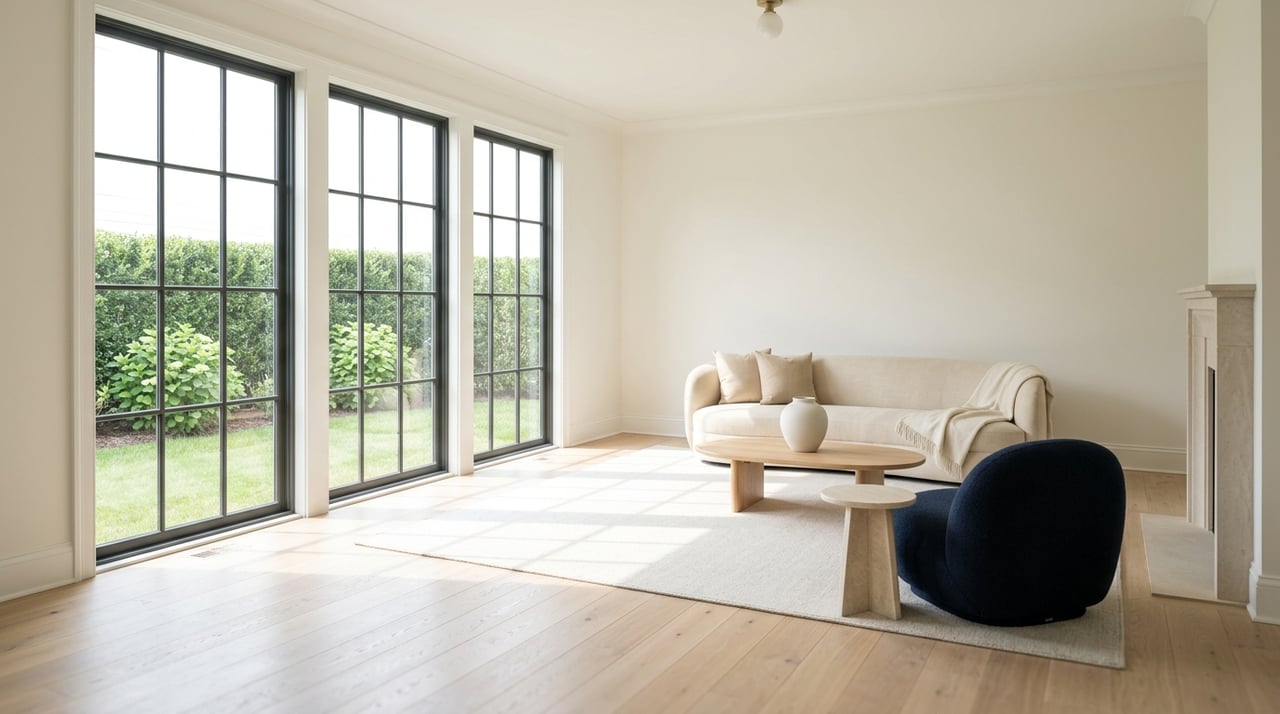
The living room is the top staging priority. NAR reports that 91% of seller’s agents stage it, and 37% of buyer’s agents say it is the most important room to stage.
In your Duxbury listing, the living room should show scale and flow. Use seating that creates conversation, define a focal point, and keep accessories simple. If the room has built-ins, a fireplace, or large windows, let those features lead.
Keep the primary bedroom calm
The primary bedroom was staged in 83% of listings, and 34% of buyer’s agents ranked it as the most important room. Buyers want this space to feel restful and easy to settle into.
That usually means pared-back surfaces, neutral bedding, and enough open space around the furniture. Closets should also be edited. A crowded closet can make the whole room feel smaller.
Simplify the kitchen
The kitchen remains one of the most important rooms for buyers. It was staged in 68% of listings, and 23% of buyer’s agents said it was the most important room to stage.
Clear the counters as much as possible and make the room feel clean and functional. If there is an eat-in area or clear dining zone, define it. In a Duxbury home, buyers often respond well to spaces that feel practical for both everyday life and easy entertaining.
Use the dining room to tell a story
Dining rooms were staged in 69% of listings. Even if your dining room doubles as a flex space in real life, staging can help buyers understand its purpose.
A simple table setting, balanced lighting, and good spacing can help the room read clearly. In Duxbury, this space can also support a year-round lifestyle story, especially in homes designed for gatherings, holidays, or weekend guests.
Do not overlook outdoor space
Outdoor areas were staged in 31% of listings, which is lower than the main interior rooms, but especially important in a coastal town. Duxbury’s connection to Cape Cod Bay, beach access, porches, decks, and natural surroundings makes exterior presentation part of the home’s value story.
Treat the porch, deck, or patio as an extension of the house. Clean furniture, fresh cushions, tidy plantings, and a clear seating arrangement can help buyers picture how they would use the space.
How to stage older and coastal-style homes
Duxbury includes homes with historic character, colonial influences, and long-standing neighborhood streetscapes. If your home is older, staging should clarify the architecture instead of covering it up.
Keep original trim, stair rails, fireplaces, and built-ins visible. Choose furniture that fits the scale of the room so spaces feel open rather than crowded. This is especially important in homes built before modern open floor plans became common.
For coastal-style homes, aim for a clean, light, understated look. You do not need themed decor. In most cases, natural textures, soft neutral colors, and open surfaces do more to support a polished South Shore feel.
Be careful with exterior changes
If your home is in or near a historic setting, major exterior changes may not be the best pre-sale investment. Duxbury’s preservation framework notes that exterior work visible from the public way can require review in local historic districts and should fit the existing streetscape and architecture.
That is one reason reversible updates tend to be the safest choice. Focus on paint touchups, lighting, hardware, window cleaning, and landscaping rather than permanent exterior redesign. These improvements help your home look cared for without creating extra complexity.
Physical staging usually beats virtual alone
Virtual staging can be useful in some cases, but it should not be your only strategy when possible. Buyer’s agents rated photos, physical staging, videos, and virtual tours as more important than virtual staging, and 38% said virtual staging was of less importance.
That does not mean virtual staging has no place. It means buyers tend to respond more strongly when the home looks good in person and in photos. In Duxbury, where many buyers begin online and expect a polished experience, strong photography paired with real-world presentation is often the better combination.
A practical staging plan for Duxbury sellers
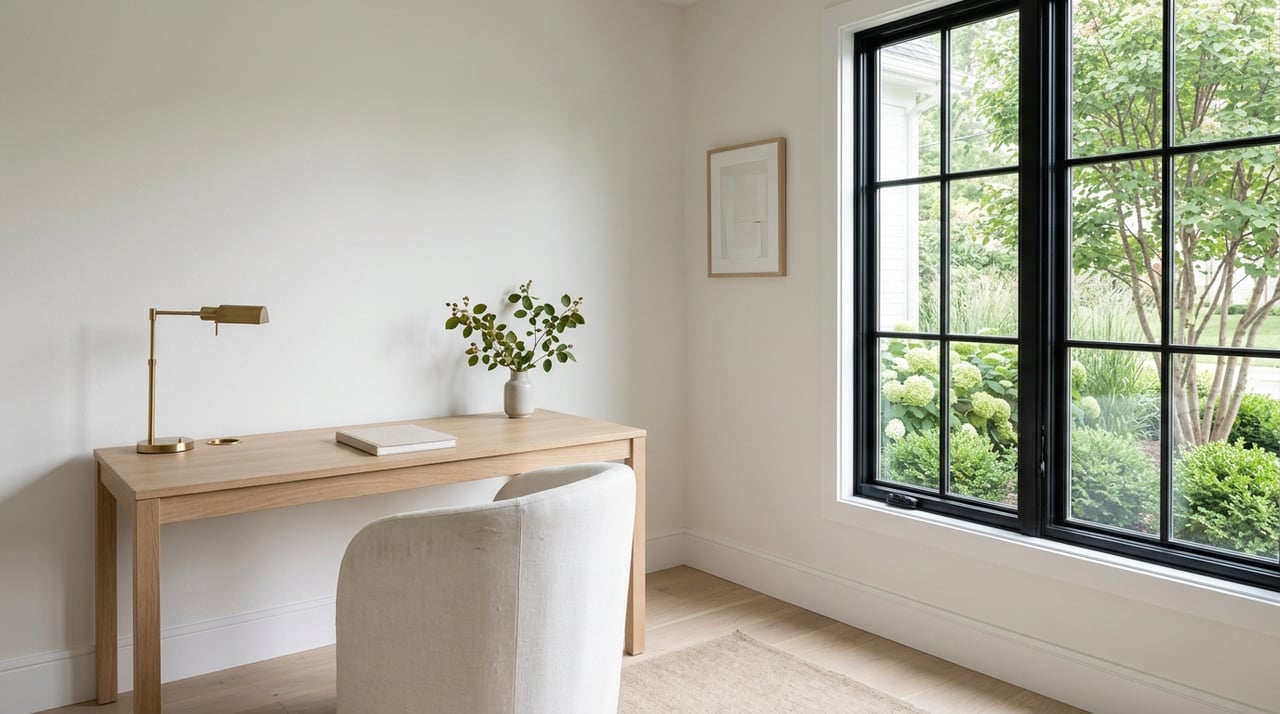
If you want a simple framework, focus on clarity, light, and livability. That means editing each room until its purpose is obvious, maximizing natural light, and making the home feel easy to move through.
A practical staging checklist might include:
- Remove excess furniture to improve flow
- Deep clean floors, windows, kitchens, and baths
- Store personal photos and highly specific decor
- Style the living room, primary bedroom, kitchen, and dining room first
- Refresh outdoor seating areas and entry points
- Highlight original architectural details
- Use professional photos to capture the finished result
This kind of plan aligns with what buyers respond to and with how Duxbury homes often show best. You are not trying to create a showroom. You are helping premium buyers see the full value of your home quickly and clearly.
Why local strategy matters
Staging works best when it matches the home, the price point, and what buyers expect in that market. In Duxbury, that often means balancing character with simplicity, coastal appeal with restraint, and visual polish with everyday function.
That is where a staging-first listing strategy can make a real difference. When your presentation, pricing, and marketing all support the same story, buyers tend to respond with more confidence. And in a market like Duxbury, confidence can be a powerful advantage.
If you are getting ready to sell and want a tailored plan for your home, Lindsay Conlon can help you create the right presentation strategy for today’s South Shore buyers.
FAQs
Do I need to stage every room when selling a home in Duxbury?
- No. The highest-priority rooms are the living room, primary bedroom, kitchen, dining room, and outdoor spaces. Guest rooms and children’s rooms are less commonly staged and can usually be simplified instead.
Is virtual staging enough for a Duxbury home listing?
- Usually not by itself. Buyer’s agents rated photos and physical staging as more important than virtual staging, so the strongest results often come from combining real presentation with high-quality photography.
Can staging increase my sale price in Duxbury?
- It can, but not always. Some buyer’s agents reported higher dollar offers, while more agents reported shorter time on market as a common benefit of staging.
What should I do first if I have a small staging budget?
- Start with decluttering, deep cleaning, and curb appeal. Those were the most common pre-listing improvements recommended by agents and usually offer the biggest impact for the cost.
How should I stage an older Duxbury home with historic details?
- Focus on showing the architecture clearly. Keep original trim, fireplaces, built-ins, and room symmetry visible, and use furniture that fits the space without making it feel crowded.