Wondering whether a condo or a single-family home makes more sense in Weymouth? You are not alone. In a town with established neighborhoods, condo communities, and steady buyer demand, the right choice often comes down to how you want to live, what you want to spend each month, and how much upkeep you are comfortable taking on. If you are weighing your options, this guide will help you compare both paths with Weymouth’s local housing market in mind. Let’s dive in.
Weymouth offers both lifestyles
Weymouth is a strongly residential suburb south of Boston with four village centers, three MBTA commuter rail stations, and a housing mix that includes mostly single-family homes along with larger apartment and condominium complexes. The town is also planning for continued housing growth, including transit-oriented redevelopment around areas like Union Point.
That mix gives you real choices. Instead of a one-size-fits-all market, Weymouth offers buyers the chance to compare lower-upkeep condo living with the space and flexibility of a detached home.
What the local market looks like
Weymouth remains an active market. Redfin reported a median sale price of $595,000 in March 2026, with an average market time of 35 days. Zillow reported an average home value of $613,427, 71 homes for sale, and a median of 16 days to pending as of March 31, 2026.
Those numbers matter because they shape how quickly you may need to decide and how carefully you should build your budget. Weymouth’s FY2026 residential tax rate is $10.12 per $1,000 of assessed value, so property taxes should be part of your monthly planning from the start.
Condo living in Weymouth
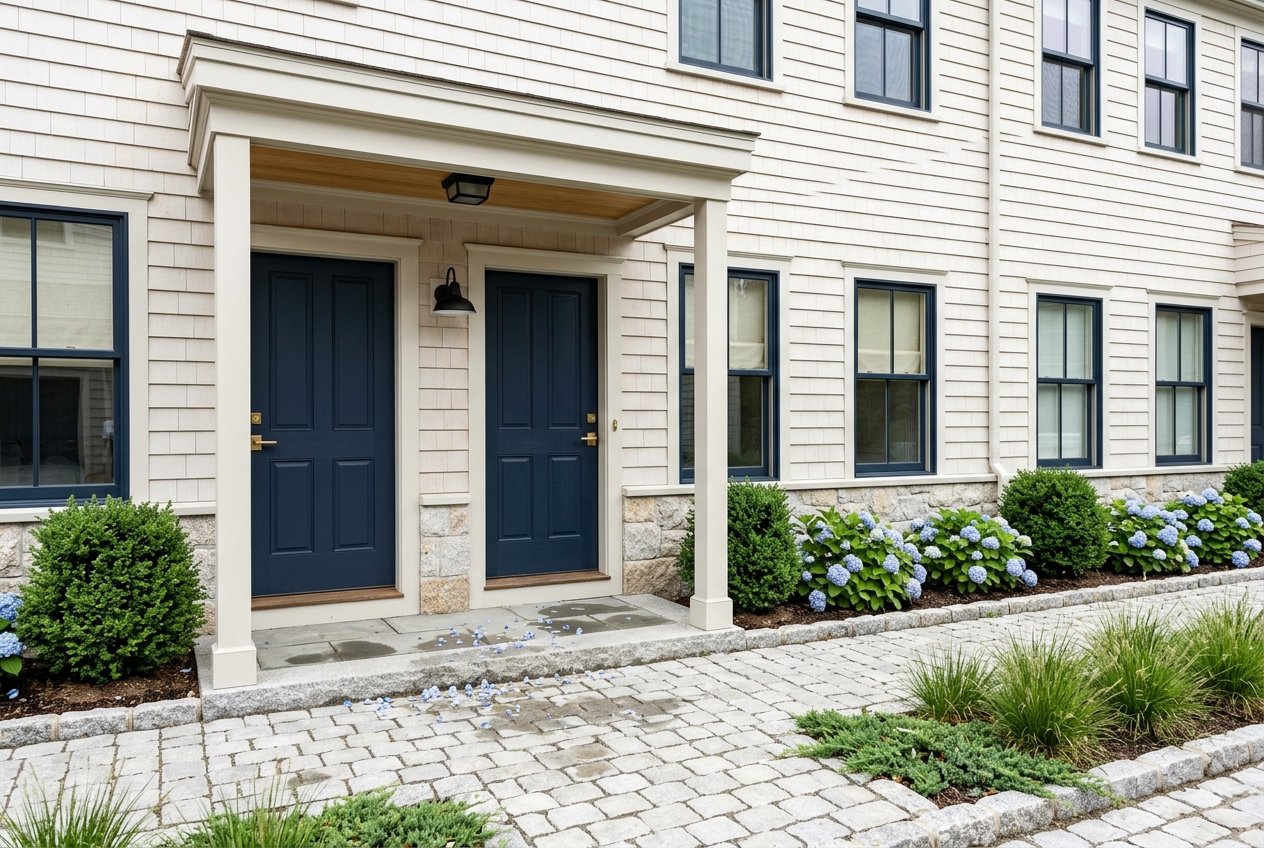
For many buyers, a condo offers a simpler version of homeownership. In Massachusetts, a condominium means you own your individual unit while sharing an undivided interest in the common areas with other owners. The association structure, maintenance responsibilities, and common area rules are laid out in the master deed and bylaws.
In everyday life, that often means less exterior work for you. If you like the idea of having fewer yard responsibilities and more shared management of the building or community, a condo can be a practical fit.
What condo buyers often like
Weymouth condo inventory tends to appeal to buyers who want a more compact, lower-upkeep home. Current listings have included condos from about 851 to 1,576 square feet, with features such as in-unit laundry, covered garage parking, and updated finishes.
That type of setup can work well if you want a home that feels manageable day to day. You may also appreciate having shared services handled through the association instead of coordinating everything yourself.
What to watch with condo fees
The biggest budget difference with a condo is often the monthly fee. Condo or HOA dues are usually paid separately from your mortgage, and those dues can range from a few hundred dollars to more than $1,000 per month.
That does not automatically make condos more or less affordable. It simply means you need to look at the full monthly picture, including mortgage payment, taxes, insurance, utilities, and condo fees, before deciding what feels comfortable.
Why condo documents matter
When you buy a condo, you are not just buying the unit. You are also buying into an association with rules, budgets, and shared financial obligations.
In Massachusetts, condo bylaws must address maintenance, repairs, replacement of common areas, collection of common expenses, and rules for using shared space. State law also defines a separate replacement reserve fund for rebuilding or restoring common areas, which is one reason reserve information matters during your review.
Condo financing can be more detailed
Some condo purchases involve extra lender review. Lenders may look at owner-occupancy levels, project budgets, reserve studies, delinquent assessments, insurance coverage, and litigation when deciding whether a condo project fits loan guidelines.
That means a condo that looks perfect on the surface may still need a closer look behind the scenes. Massachusetts also advises that condo questions are legal in nature and should be directed to a real estate attorney with condominium experience, so document review is especially important before you move forward.
Single-family living in Weymouth
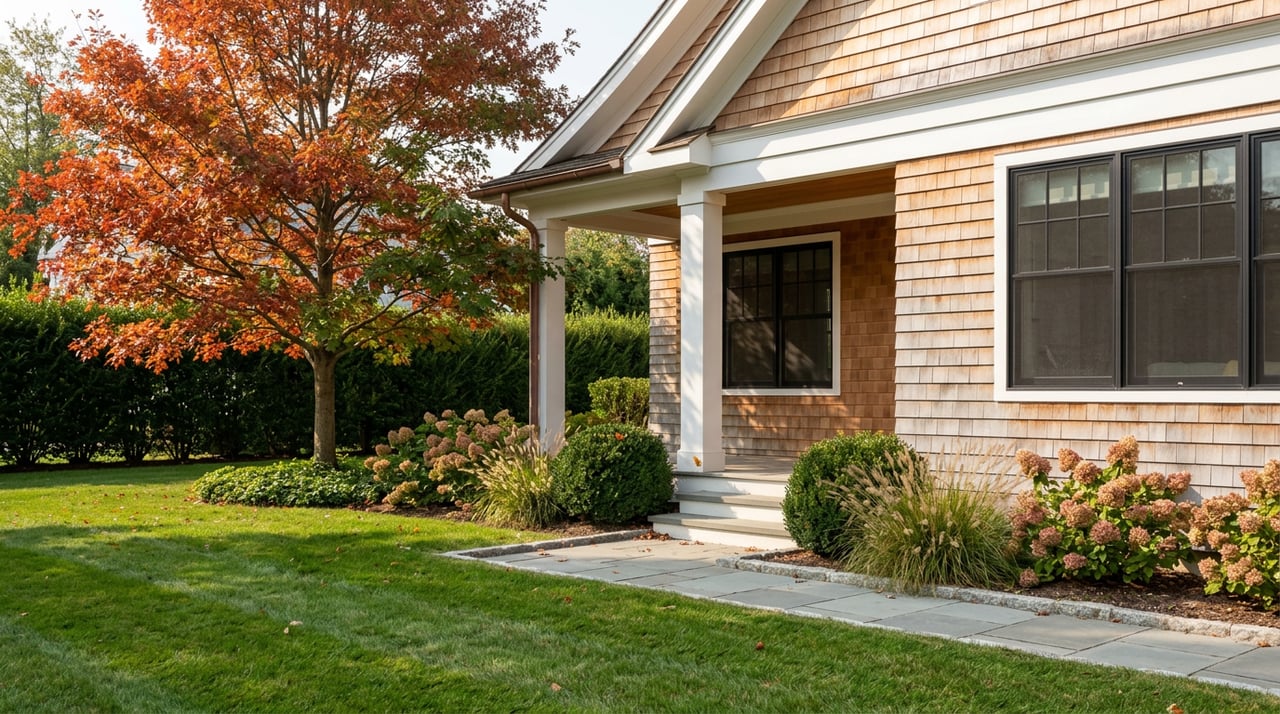
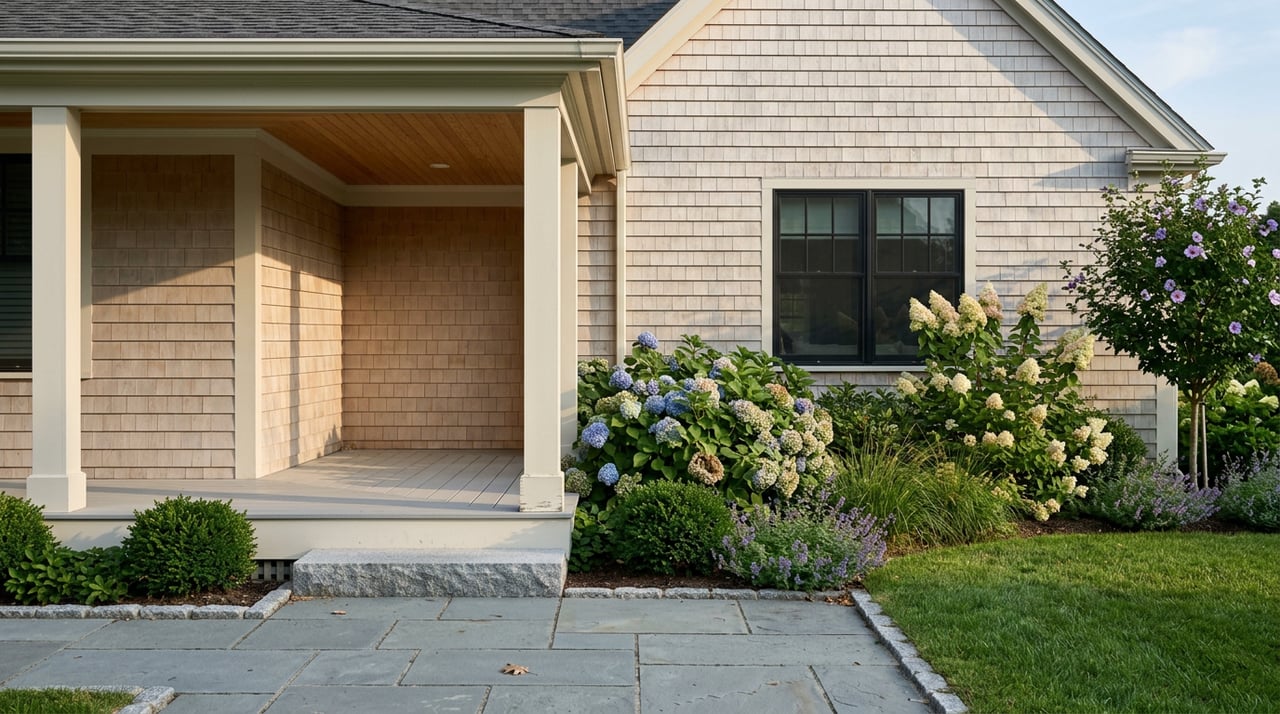
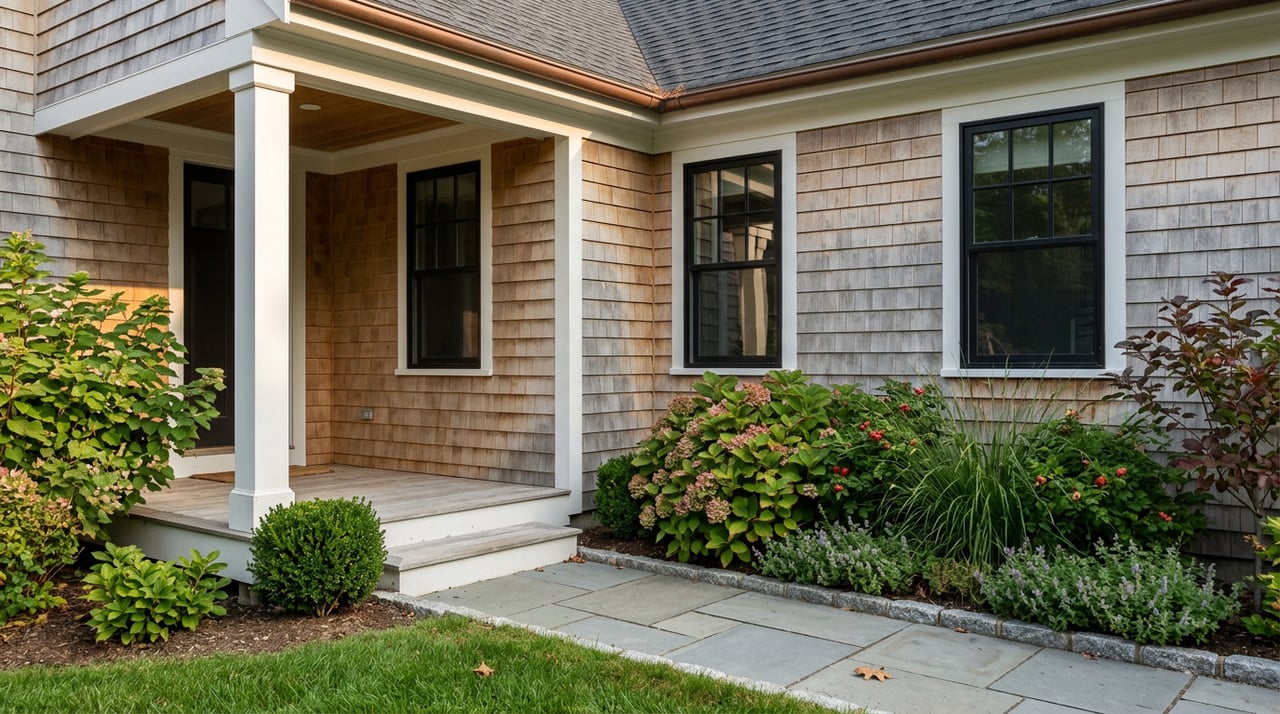
Single-family homes remain the dominant housing type in Weymouth. The town describes most of its housing stock as single-family homes in established neighborhoods, which helps explain why detached homes remain such a central part of the local market.
If you want more separation from neighbors, a private yard, or more freedom to make changes over time, a single-family home may feel like the better match. For many buyers, the appeal comes down to space, privacy, and control.
What single-family buyers often like
Current Weymouth single-family listings have included about 28 homes, commonly with 3 to 4 bedrooms and roughly 966 to 2,016 square feet. Listings often highlight features such as central air and larger room counts.
That wider footprint can matter if you need more flexible living space. A detached home may give you more room for storage, hobbies, guests, or future changes in how you use the home.
The tradeoff is more upkeep
A single-family home usually gives you more independence, but it also makes you responsible for the property. That includes routine maintenance as well as larger repairs like roofing, windows, siding, or major systems.
In Weymouth, that point deserves extra attention because more than half of the town’s housing units were built before 1959. Older housing stock can offer character and established settings, but it can also mean you need to budget for updates and repairs sooner rather than later.
More control, more responsibility
Many buyers love the flexibility that comes with a single-family home. You generally have more say over the property and fewer shared rules than you would in a condo setting.
That freedom can be a major advantage if you value customization and long-term control. Still, it works best when you are ready for the time and cost that come with maintaining the home yourself.
How to compare the true monthly cost
The smartest way to compare condos and single-family homes is to look beyond the listing price. Your real monthly cost should include principal, interest, taxes, insurance, utilities, and maintenance.
If you are buying with less than 20% down, mortgage insurance may also apply. And if you are considering a condo, you should add association dues separately because they are usually not included in the mortgage payment.
Here is a simple way to frame it:
- Condo: Lower exterior maintenance, shared rules, monthly fees
- Single-family: More space and privacy, more upkeep, more direct control
Neither option is better for everyone. The better choice is the one that fits your lifestyle, budget, and comfort level with ongoing responsibilities.
Questions to ask before choosing
Before you decide, it helps to ask a few practical questions tied to Weymouth’s housing stock and ownership options.
If you are considering a condo
- What do the monthly condo fees cover?
- How do those fees change your total monthly housing cost?
- How strong are the association reserves?
- Are there delinquent assessments or pending litigation?
- Is the project likely to fit your loan type without extra complications?
If you are considering a single-family home
- How old are the roof, windows, heating system, and other major components?
- What repairs or updates might be coming soon?
- How much time and money do you want to spend on maintenance?
- Does the home give you the space and flexibility you want long term?
Which option fits your lifestyle?
If you want less exterior maintenance and feel comfortable with shared rules and monthly fees, a condo may be the better fit in Weymouth. It can offer a more streamlined ownership experience, especially if you prefer a compact home and fewer outdoor responsibilities.
If you want more privacy, more outdoor space, and more control over the property, a single-family home may be worth the added upkeep. In Weymouth, where both property types are available, the decision is less about theory and more about how you want to live every day.
A thoughtful move starts with clear numbers and the right local perspective. If you are weighing condo versus single-family living in Weymouth, Lindsay Conlon can help you compare your options and make a confident next step.
FAQs
What is the main difference between a condo and a single-family home in Weymouth?
- A condo usually offers less exterior maintenance and shared ownership of common areas, while a single-family home typically offers more privacy, outdoor space, and direct control over the property.
Are condo fees included in a Weymouth mortgage payment?
- Usually no. Condo or HOA dues are generally paid separately from the mortgage, so you should include them in your monthly budget when comparing affordability.
Why do older homes matter when buying a single-family property in Weymouth?
- Weymouth has an older housing stock, with more than half of its units built before 1959, which can mean a higher chance of needing updates to roofs, windows, systems, or exterior components.
What documents should condo buyers review in Massachusetts?
- Buyers should review the master deed, bylaws, budget, reserve information, and other finance-related project documents, and legal questions should be directed to a real estate attorney with condominium experience.
Is Weymouth a good place to compare condos and single-family homes?
- Weymouth offers a meaningful mix of both housing types, along with established neighborhoods, condo communities, and access to three MBTA commuter rail stations, so buyers have real options to compare based on budget and lifestyle.